Ireland with Friends: Biking Aran Islands, Hiking Cliffs of Moher, and Everything In Between
10 days road tripping through Ireland with friends - from Galway to Dublin, including Aran Islands biking, Cliffs of Moher hiking, Dingle Peninsula, castle stays, and the best Irish pubs
Ireland with Friends: Biking Aran Islands, Hiking Cliffs of Moher, and Everything In Between
There's something about traveling with friends that transforms a good trip into an unforgettable adventure. When we started planning this Ireland trip, we knew we wanted the classics—rugged coastlines, ancient castles, cozy pubs—but we also wanted to push ourselves a bit. Bike the Aran Islands. Hike the Cliffs of Moher. Stay in a real castle. And of course, enjoy plenty of Guinness along the way. Ten days later, we'd done all that and more, creating memories that still make us laugh (and occasionally cringe) years later.
Day 1: Arriving in Galway
We landed in Dublin but made the smart decision to head straight west to Galway. After picking up our rental car and white-knuckling it through our first roundabouts on the left side of the road, we arrived in Galway just as the city was coming alive for the evening.
Galway instantly felt like our kind of place. The colorful storefronts, the live music spilling out of every pub, the energy of the crowds along Shop Street—it was exactly the Ireland we'd imagined. We dropped our bags and headed straight for the pubs.
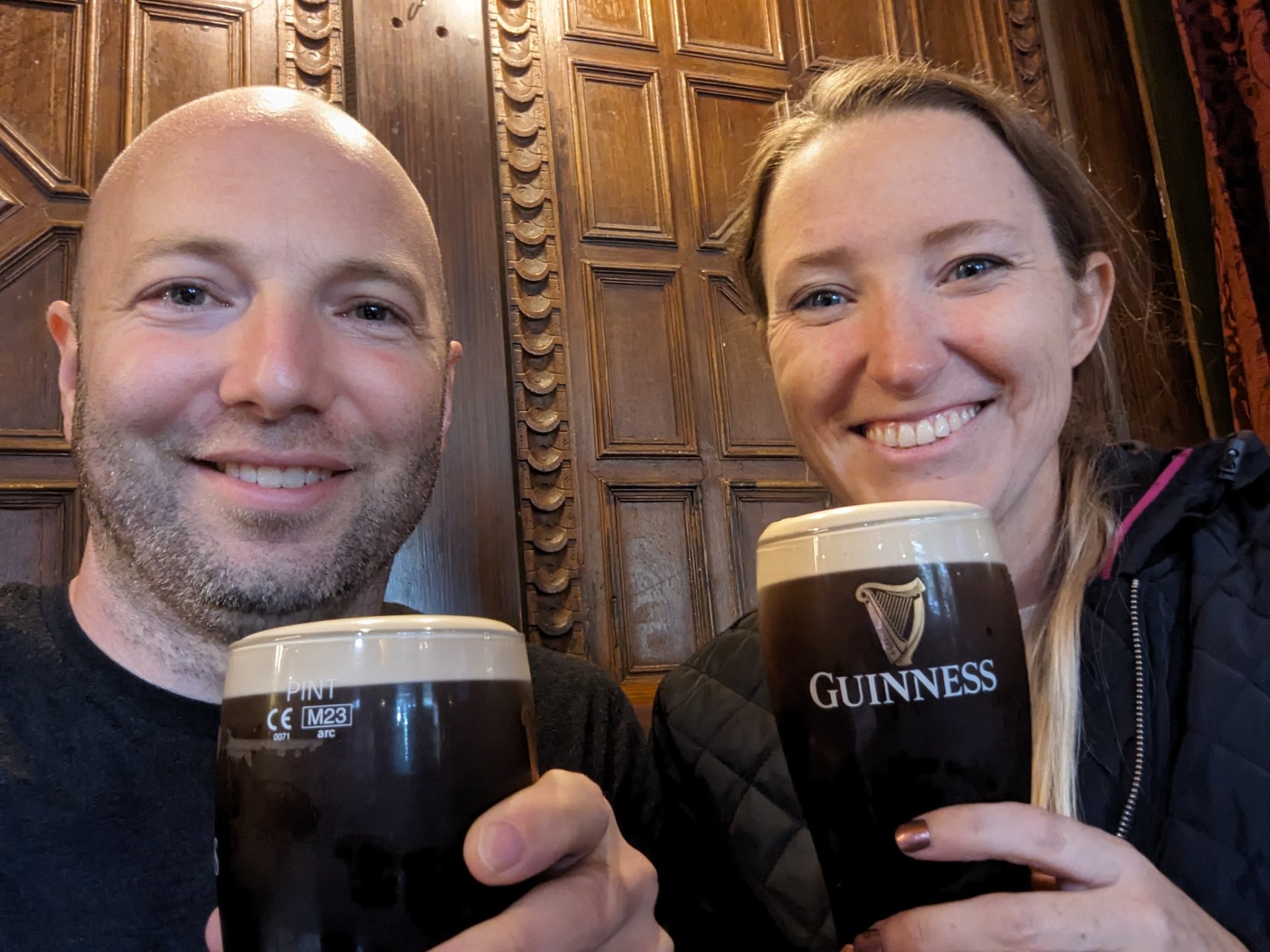
That first proper Guinness in Ireland hit different. We found a tiny pub with a trad music session in the corner, squeezed into a table, and spent the evening raising pints, tapping our feet to the fiddles, and soaking in the atmosphere. Jet lag? What jet lag?
Pro tip: Galway's pub scene is concentrated in the Latin Quarter around Shop Street. You can easily hit 4-5 pubs in one evening just by wandering. Don't make reservations—half the fun is discovering places.
Day 2: Biking the Aran Islands
This was the day I'd been most excited about (and most nervous for). We caught the early ferry from Rossaveal to Inis Mór, the largest of the Aran Islands. The plan: rent bikes and cycle the entire island, ending at Dún Aonghasa, the famous prehistoric cliff fort.
The ferry ride took about 40 minutes, with the rocky, treeless island slowly materializing out of the morning mist. As we docked, we could see rows of rental bikes waiting at the pier. We grabbed our bikes and set off.
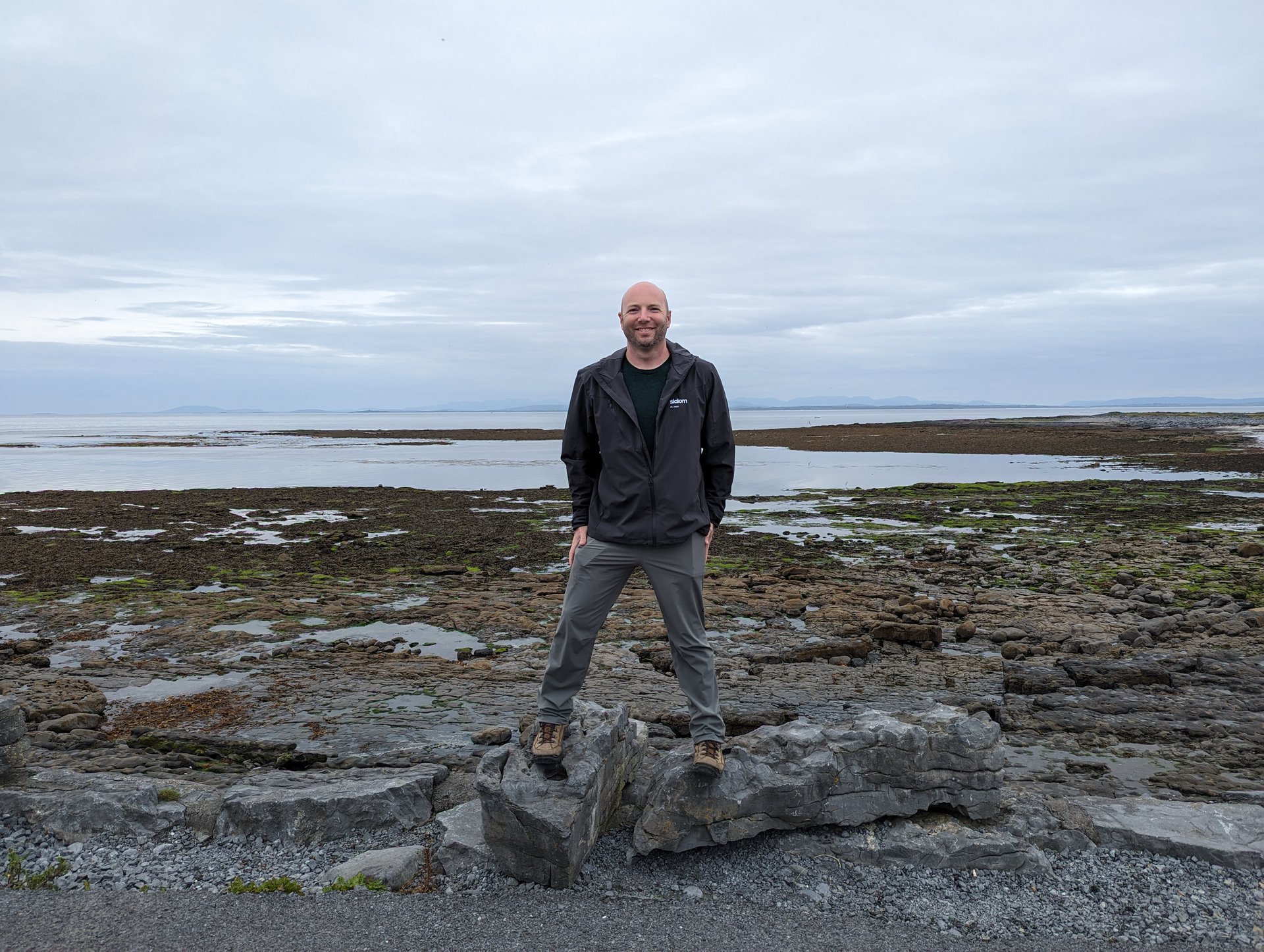
The landscape of Inis Mór is unlike anywhere I've ever been. Stone walls crisscross every inch of the island, dividing tiny fields that have been farmed for thousands of years. There are no trees, just grass, rock, and sky. The wind was constant, sometimes pushing against us, sometimes propelling us forward.
The Ride to Dún Aonghasa
The main road climbs gradually as you head west toward Dún Aonghasa. Our legs burned as we pedaled uphill, but every turn revealed another jaw-dropping view. We stopped constantly for photos, catching our breath while pretending we were just admiring the scenery.
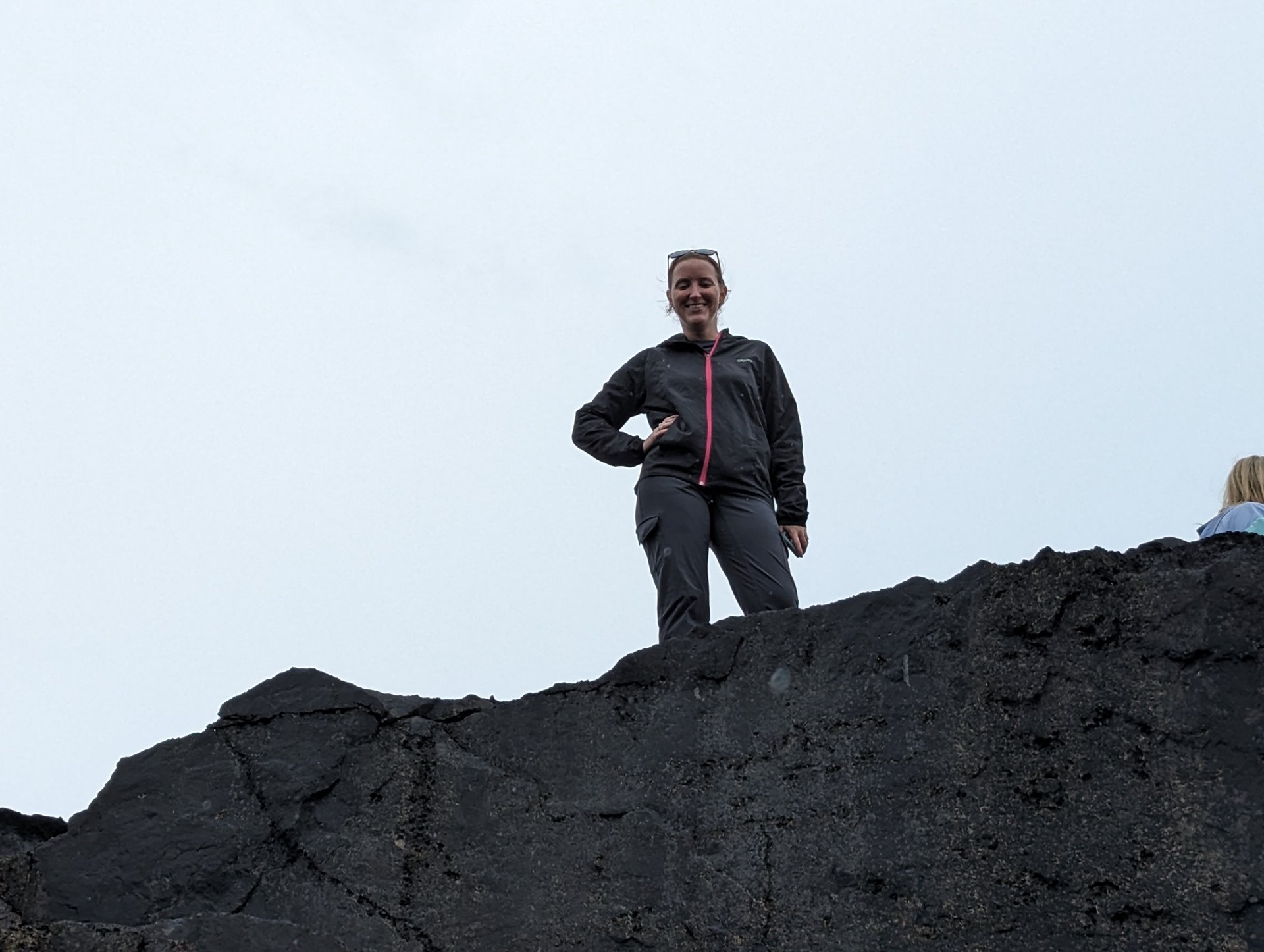
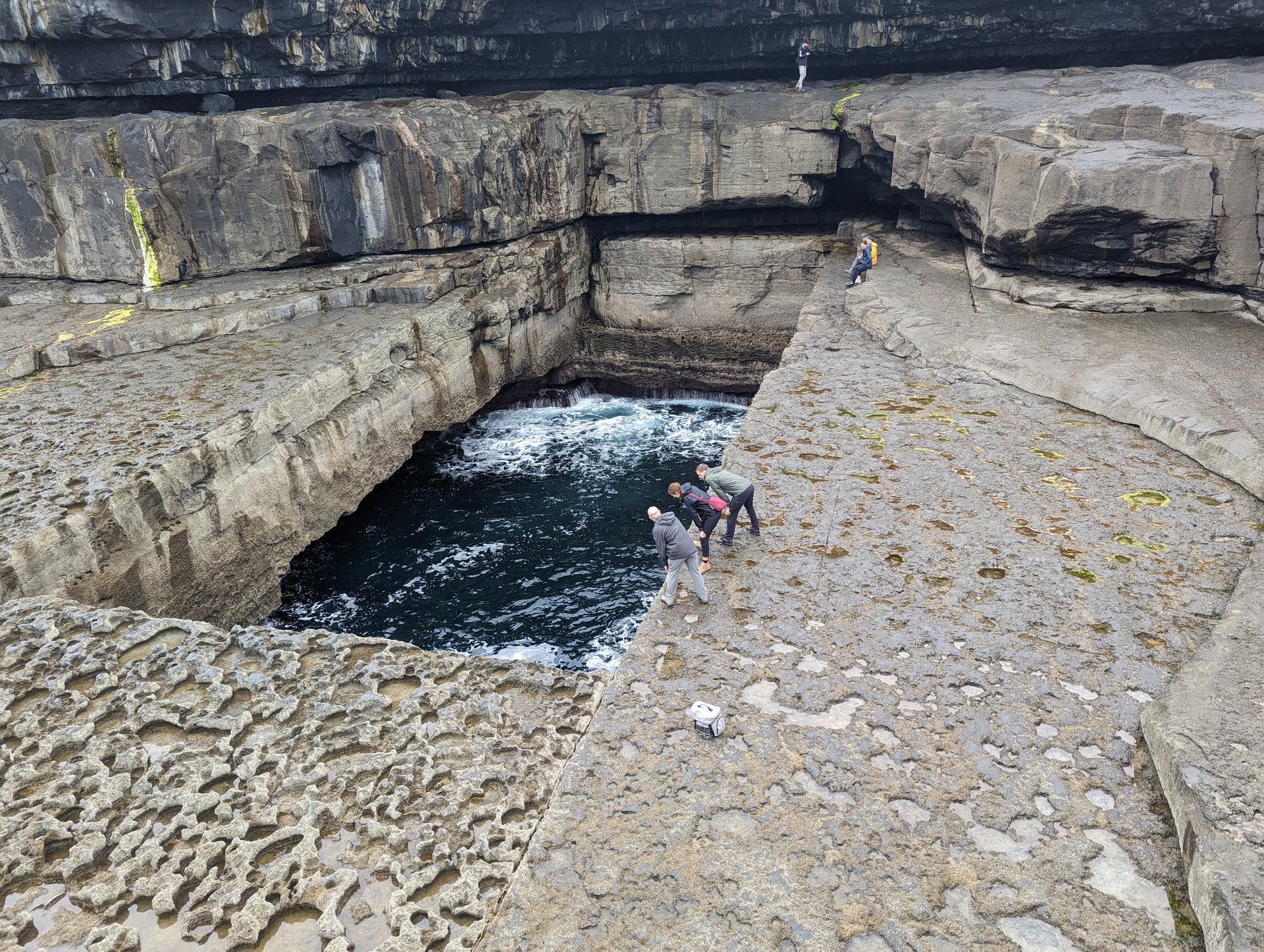
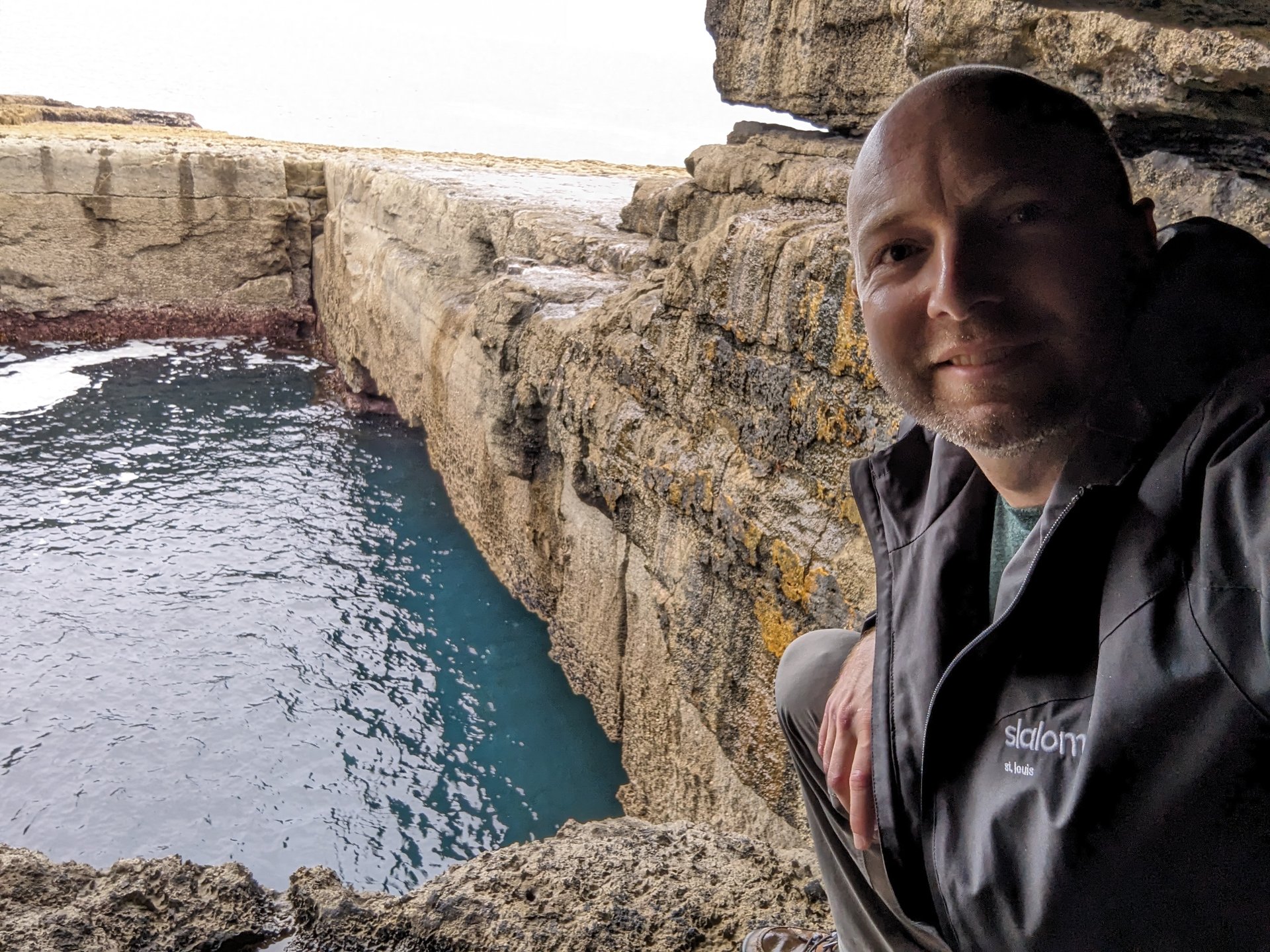
Finally, we reached the fort. Dún Aonghasa sits on a 300-foot cliff edge, with nothing between you and a sheer drop to the Atlantic below. The Bronze Age fort is impressive, but the real draw is the cliff itself.
The Cliff Edge Experience
Here's where it gets real. At Dún Aonghasa, there are no railings, no barriers, no safety nets. You can walk right up to the edge—or, as many people do, lie on your belly and peer over. The locals have a saying: "Approach the edge on your stomach, or you might leave by the same route."
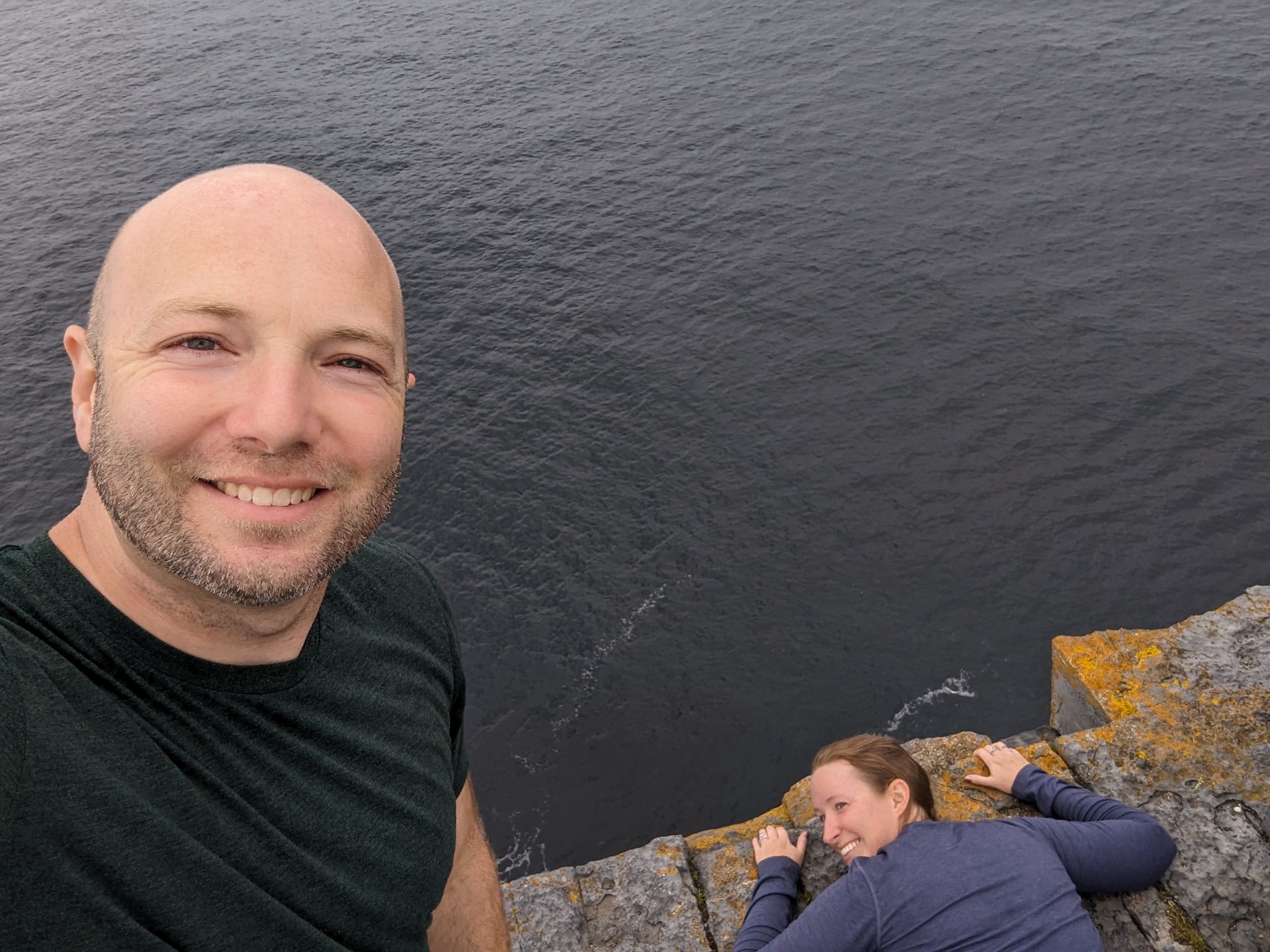
Kelly had the courage to army-crawl to the edge and look straight down. The rest of us kept a few feet back, hearts pounding, watching the waves crash against the rocks far below. It's terrifying and exhilarating in equal measure. This single view might be the most memorable moment of the entire trip.
The bike ride back was mostly downhill, which our legs appreciated. We caught the last ferry back to the mainland with just minutes to spare, exhausted, windburned, and absolutely buzzing from the day.
Day 3: The Drive South and Cliffs of Moher
We said goodbye to Galway and began our journey south along the Wild Atlantic Way. The Irish coastline is spectacular, and this stretch might be the most dramatic of all.
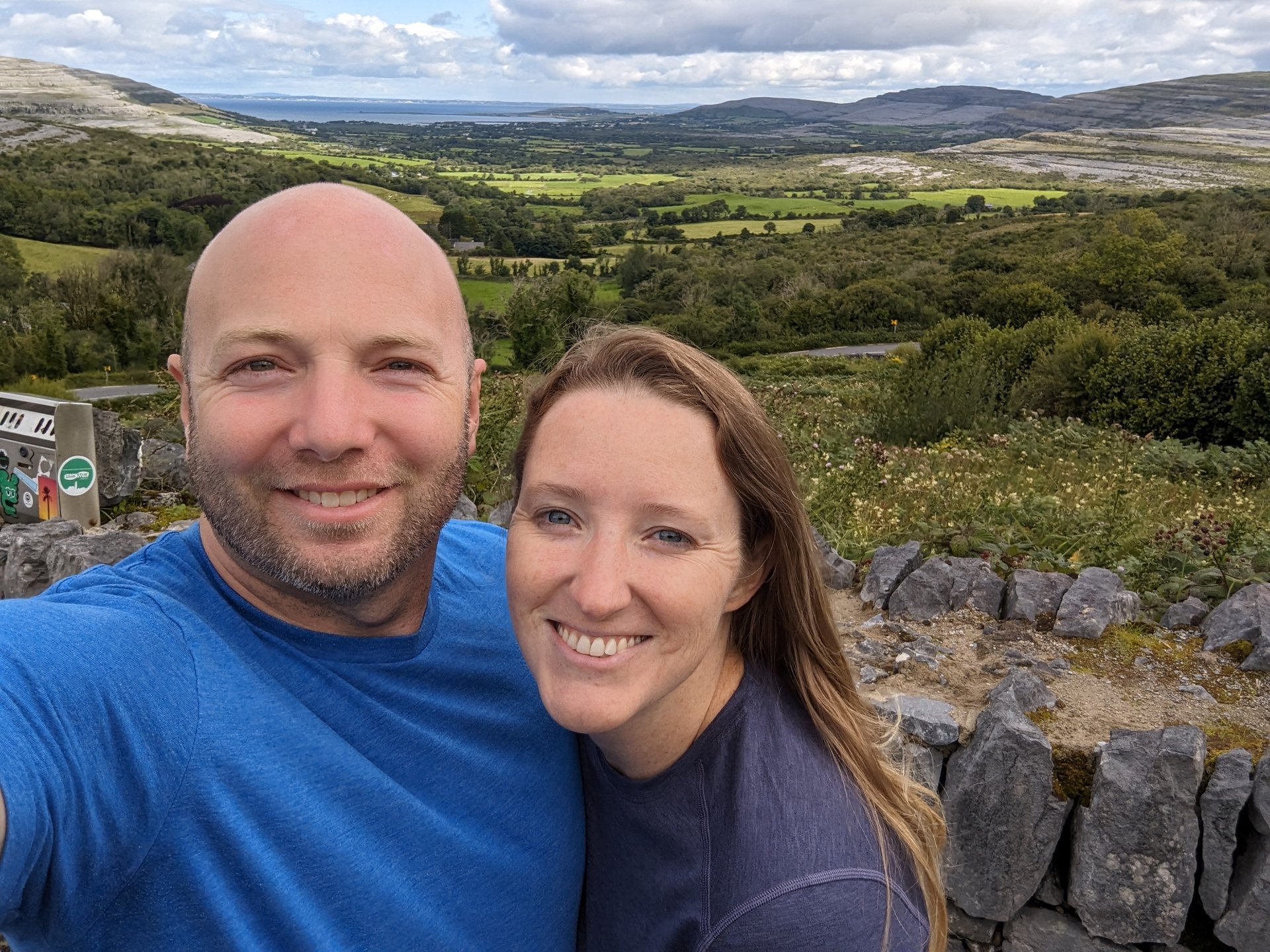
Cliffs of Moher
The Cliffs of Moher need no introduction—they're one of Ireland's most visited attractions for good reason. Rising 700 feet above the Atlantic and stretching for five miles, they're simply massive.
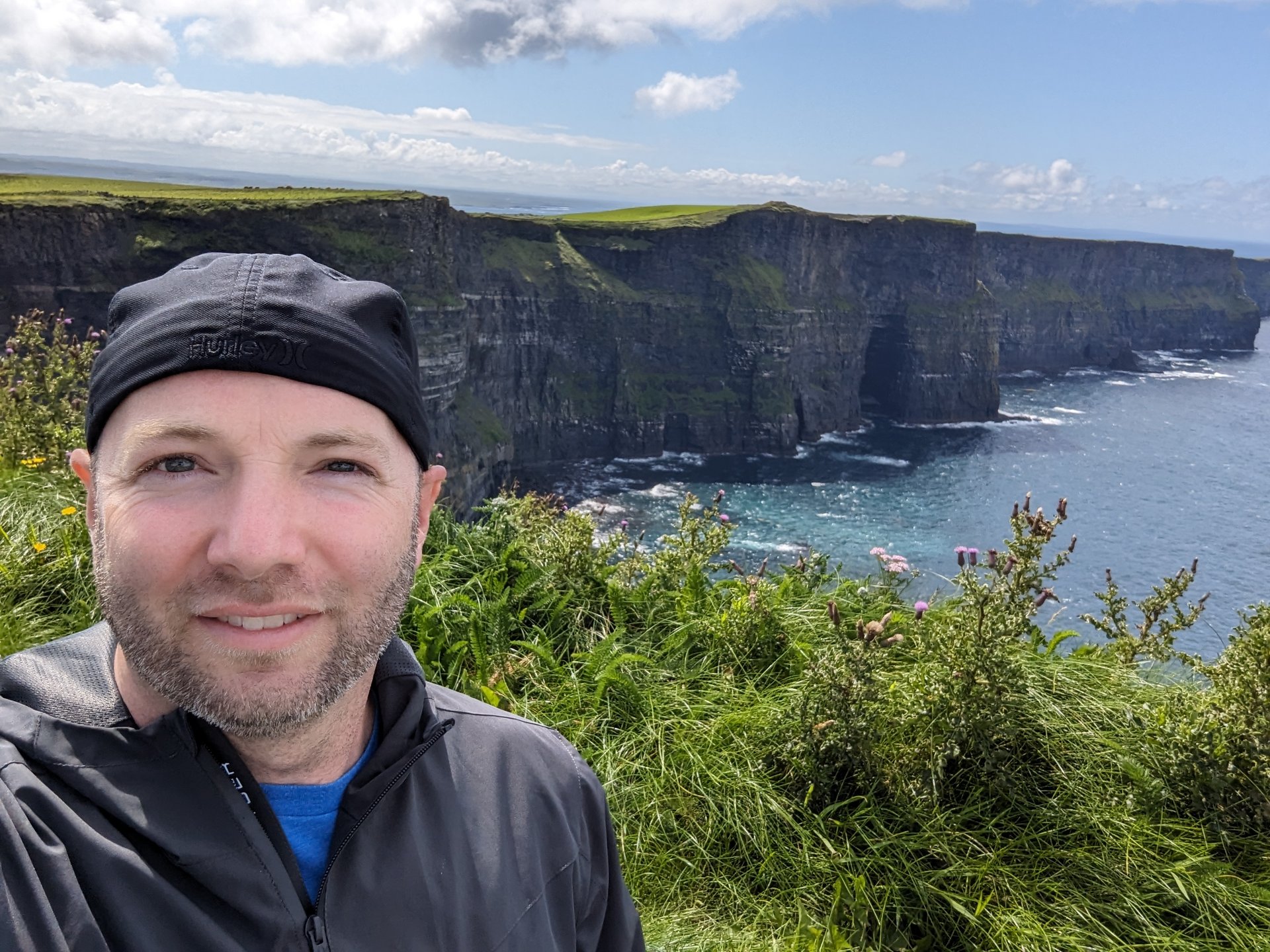
We arrived mid-morning and the parking lot was already packed. But here's the secret: most tourists just walk to the main viewing platforms, snap a few photos, and leave. If you're willing to hike, you can escape the crowds entirely.
We took the cliff path south from O'Brien's Tower, and within 15 minutes we had the cliffs almost to ourselves. The views just kept getting better, with each bend revealing another vertiginous drop.
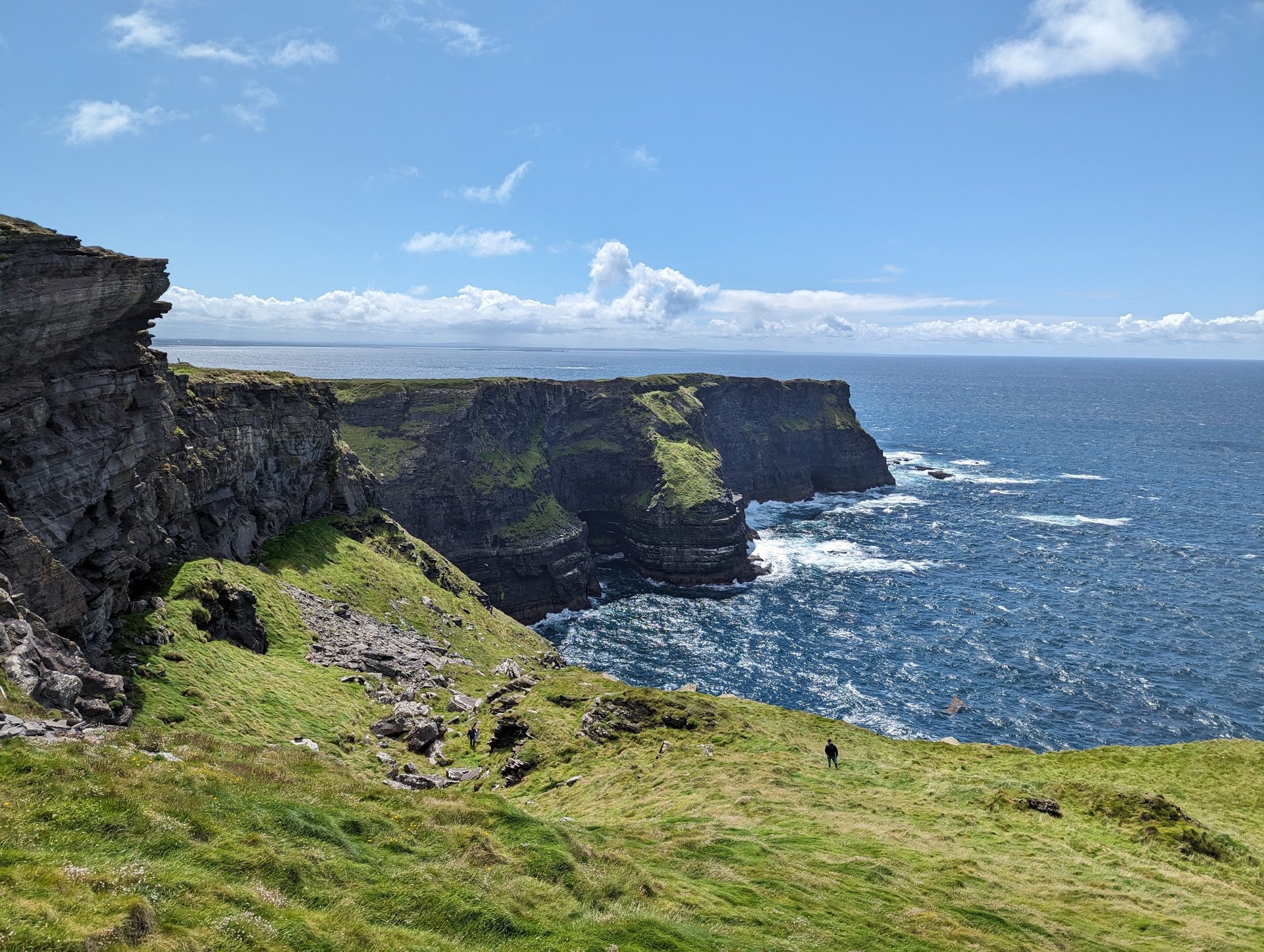
Warning: The paths along the cliff edge are not for the faint of heart. There are steep drops with no barriers, and the wind can be intense. Wear sturdy shoes and keep your wits about you.
Days 4-5: The Dingle Peninsula
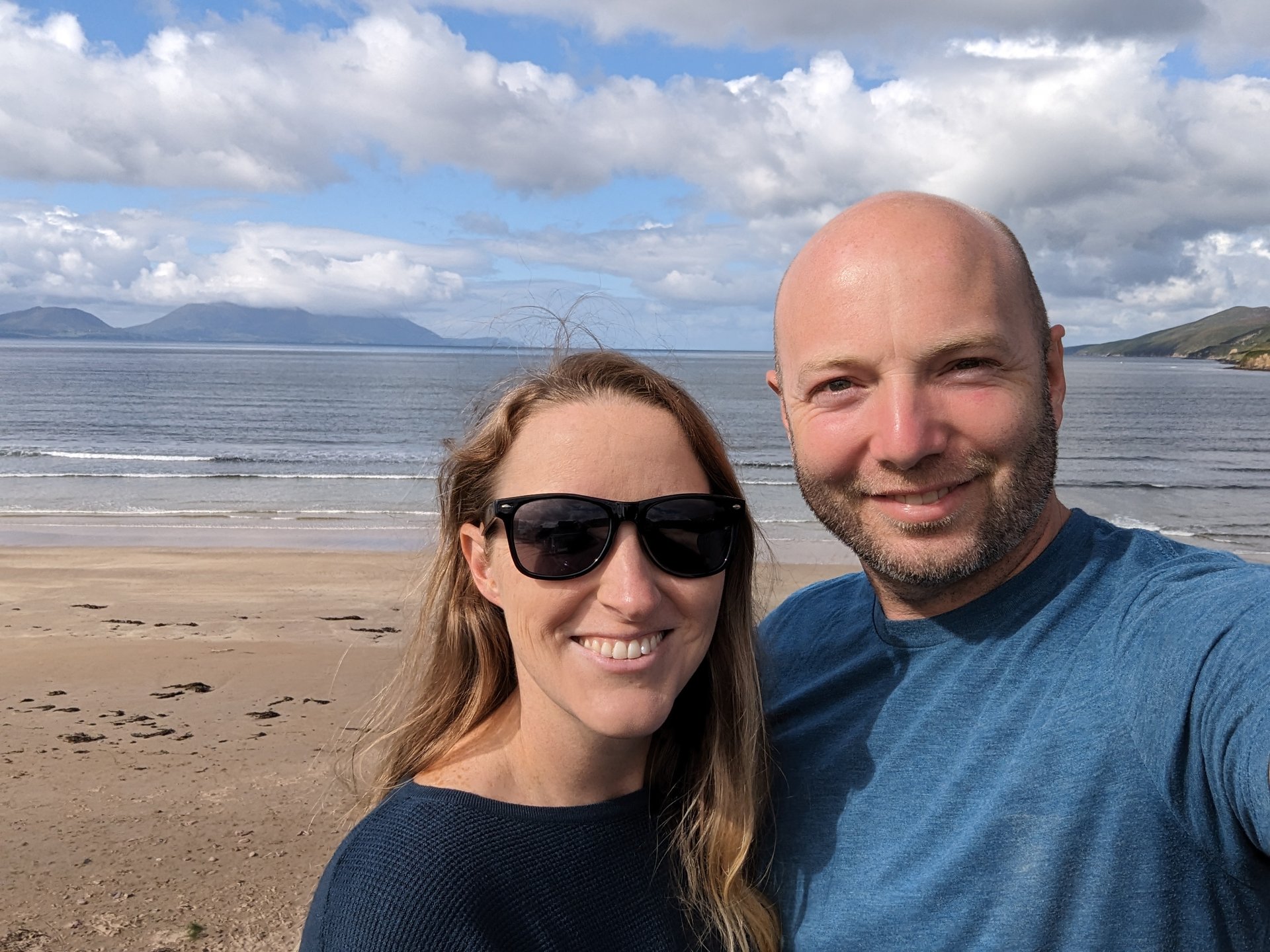
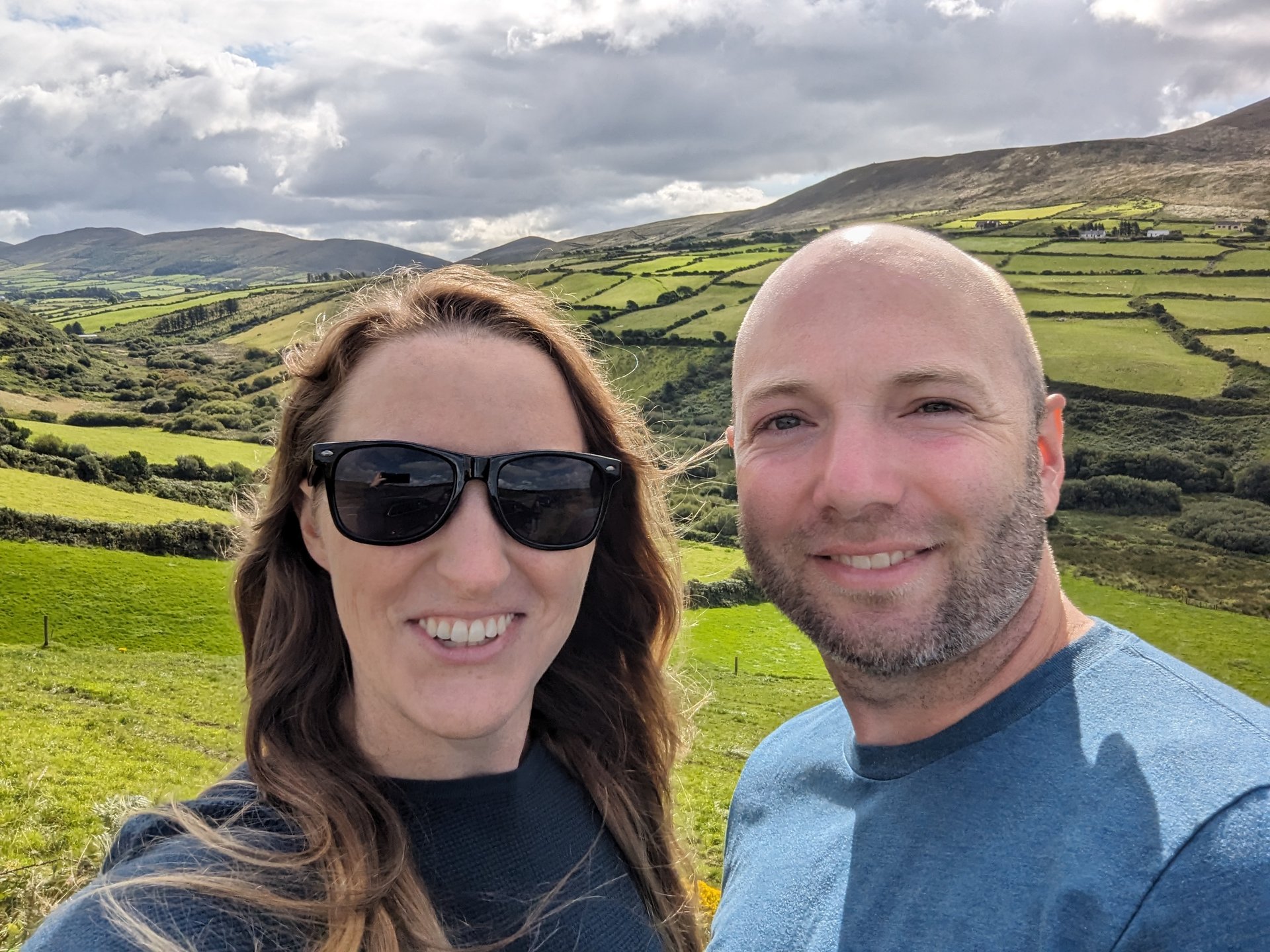
From the Cliffs of Moher, we drove south to the Dingle Peninsula in County Kerry. If Galway was our introduction to Irish culture, Dingle was our immersion in Irish natural beauty.
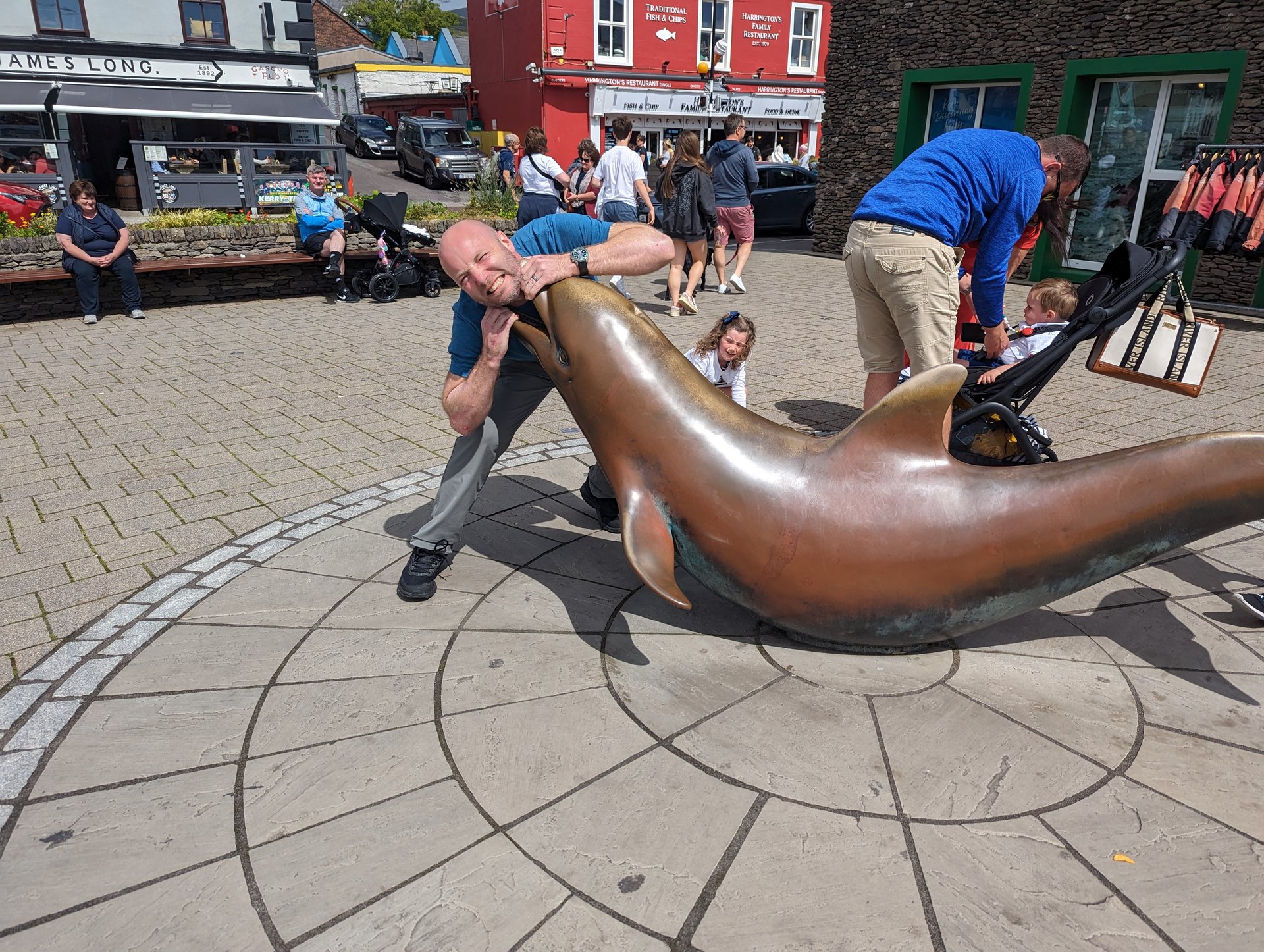
The town of Dingle itself is charming—colorful buildings, excellent seafood, and more pubs per capita than anywhere else in Ireland (or so the locals claim). But the real star is the Slea Head Drive, a circular route around the peninsula that packs some of Ireland's most stunning scenery into 30 miles.
Dingle Distillery
We stopped at the Dingle Distillery for a tour and tasting. This small-batch operation produces whiskey, gin, and vodka, all using local ingredients. The tour was informative, but let's be honest—we were there for the tasting.
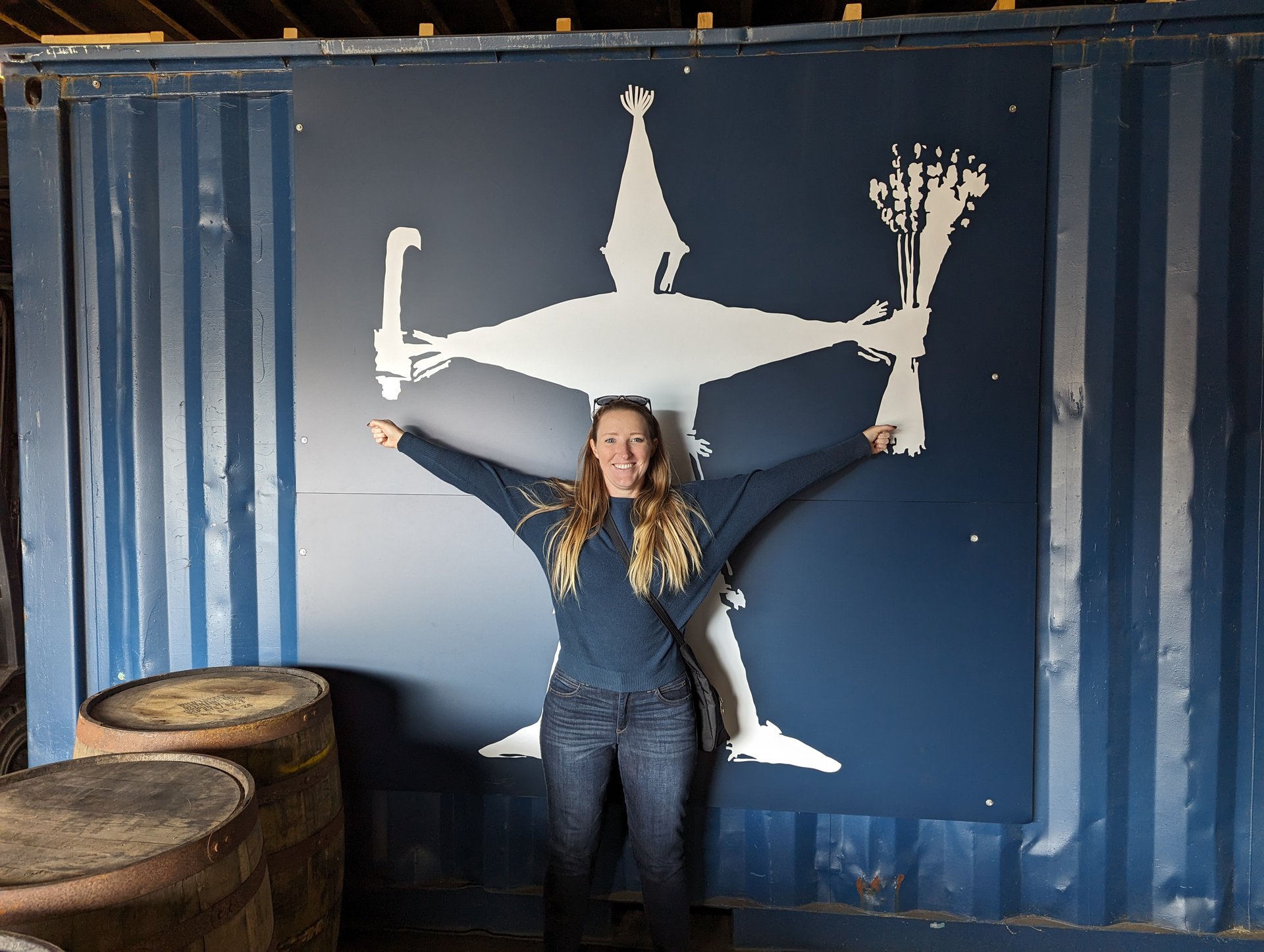
The Dingle whiskey was smooth with a hint of honey, and their gin had a distinctive botanical flavor from locally foraged ingredients. We may have purchased a bottle or two for the road.
Slea Head Drive
The Slea Head Drive deserves its own post, honestly. Every turn reveals another postcard view: dramatic cliffs, pristine beaches, ancient stone forts, and the Blasket Islands hovering on the horizon.
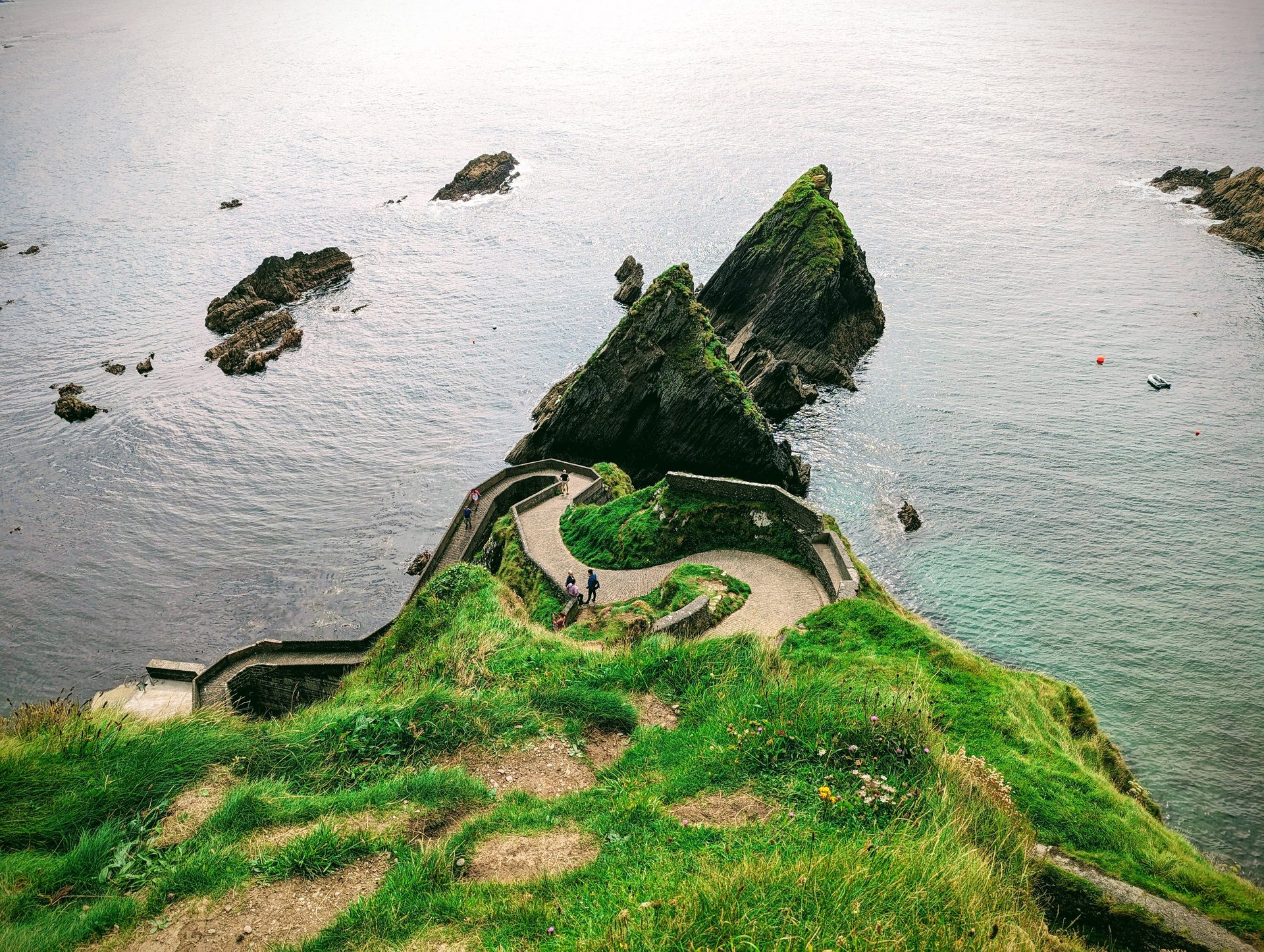
The highlight was stopping at the beehive huts—ancient stone structures called "clochán" that are over 1,000 years old. These corbelled stone huts were built by monks as shelters and have survived the elements for a millennium without mortar.
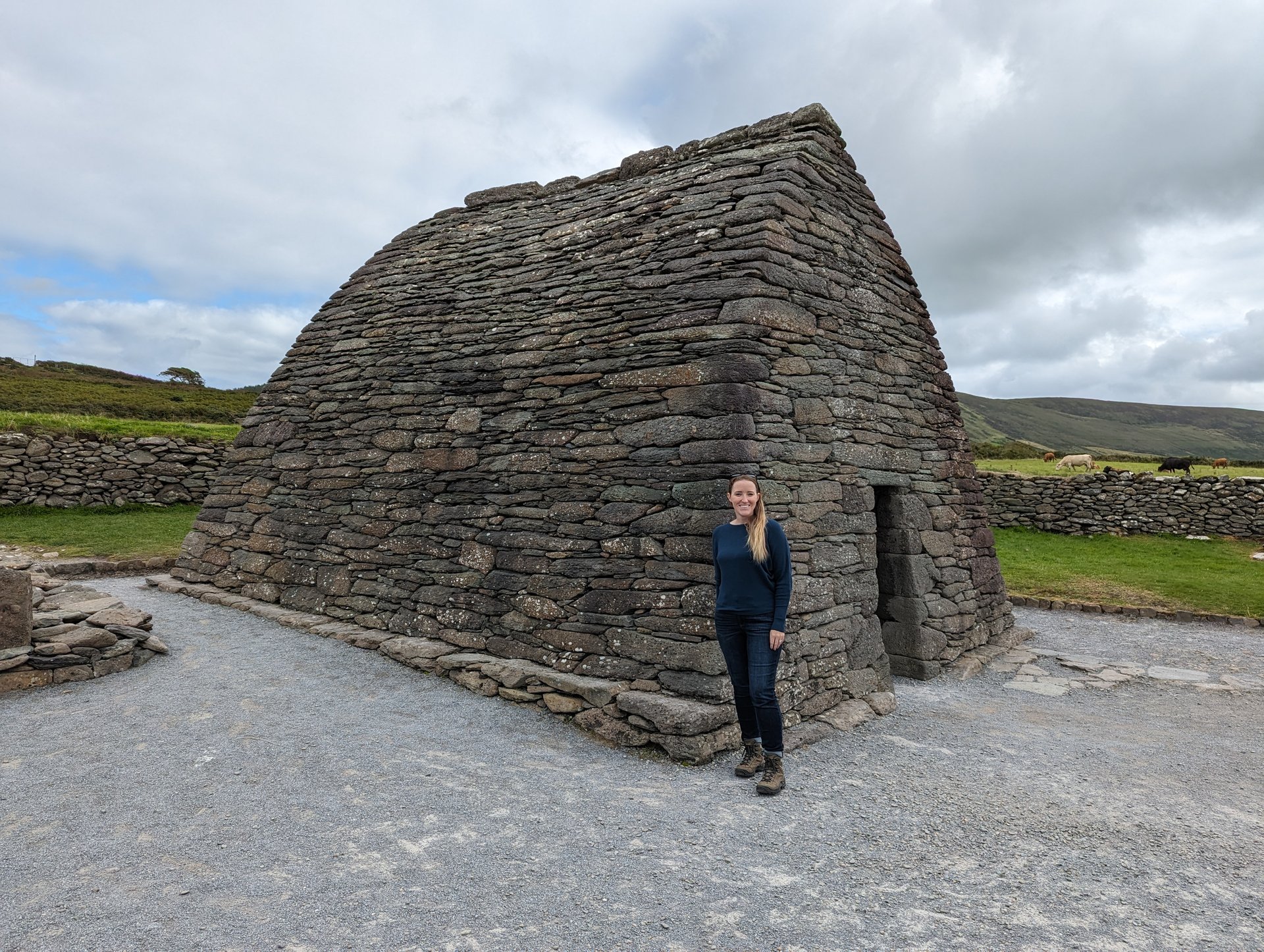
Standing inside one of these huts, looking out at the Atlantic through the small doorway, you can almost feel the history—monks seeking solitude on this windswept peninsula, building shelters stone by stone.
Day 6: Glanteenassig Forest Park and Castle Stay
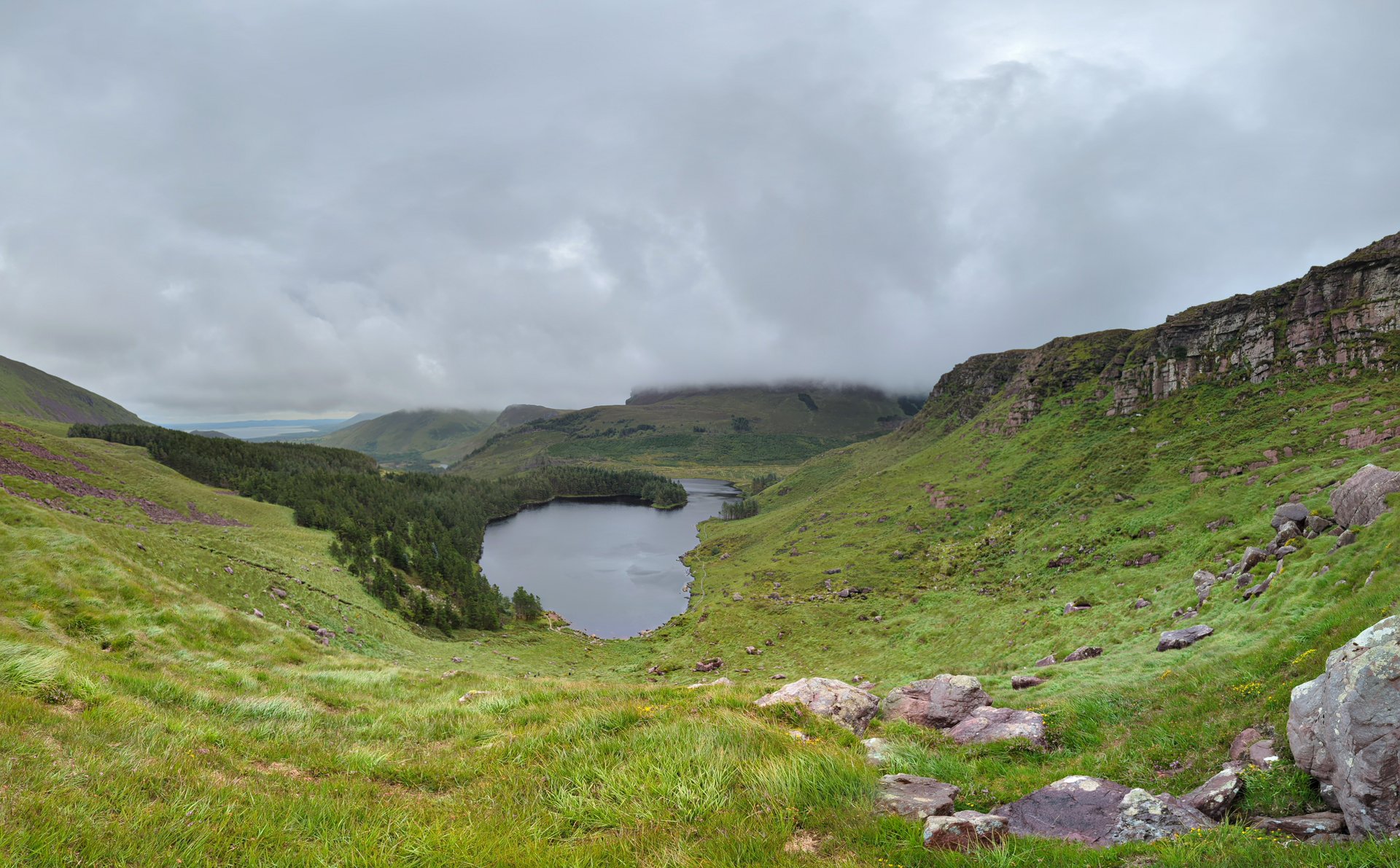
Our last full day on the Dingle Peninsula brought moody Irish weather—perfect for a forest hike. We drove to Glanteenassig Forest Park, a hidden gem with trails through old-growth woods and up to mountain lakes.
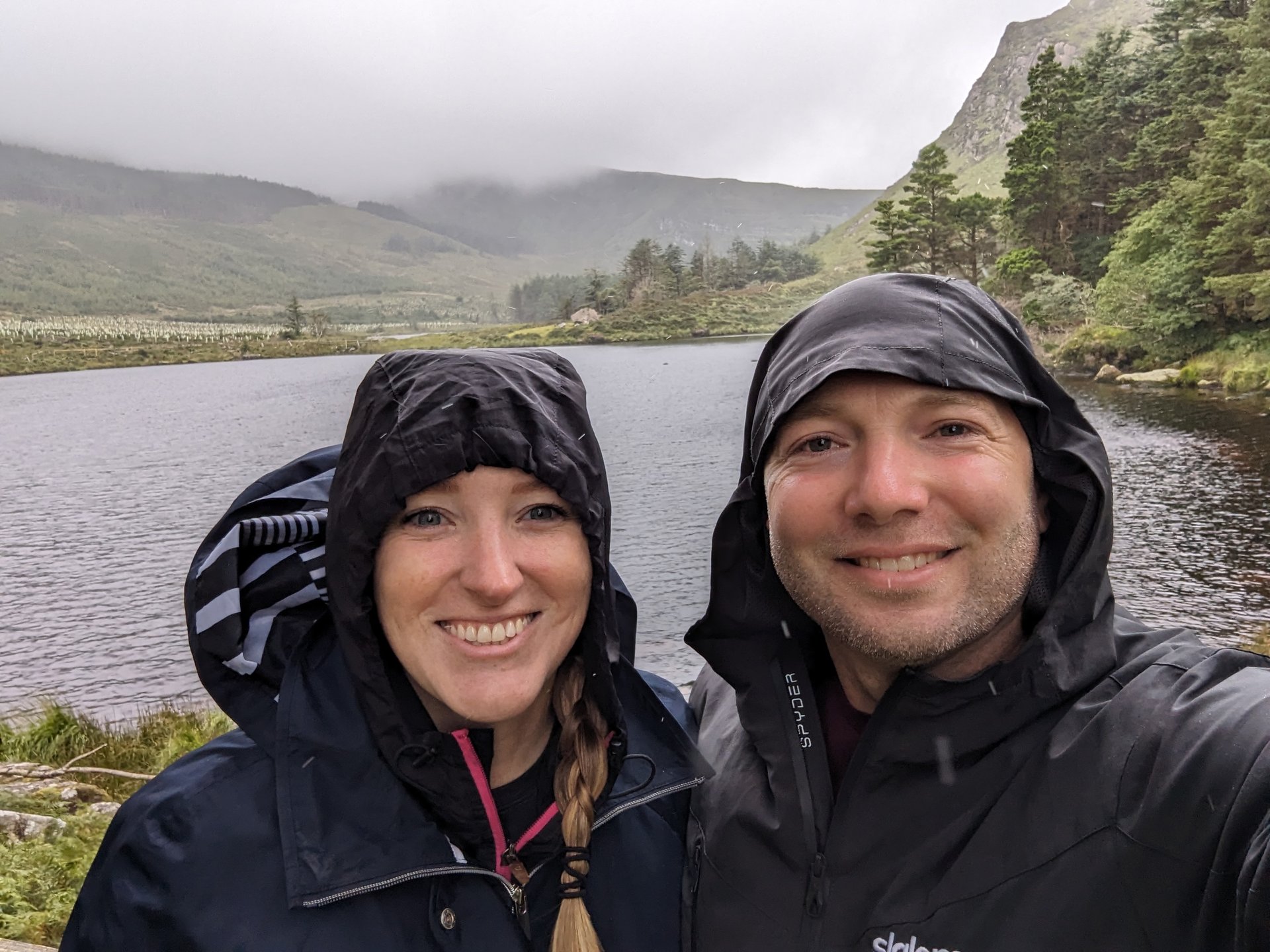
The rain gear came out, but honestly, there's something magical about hiking in the mist. The forest was lush and green, the trails were empty, and the mountain lake at the end was shrouded in fog that made it feel mystical.
Ballyseede Castle
That evening, we checked into Ballyseede Castle for a night of pure indulgence. This 15th-century castle has been converted into a hotel, complete with suits of armor in the hallways, roaring fireplaces, and four-poster beds.
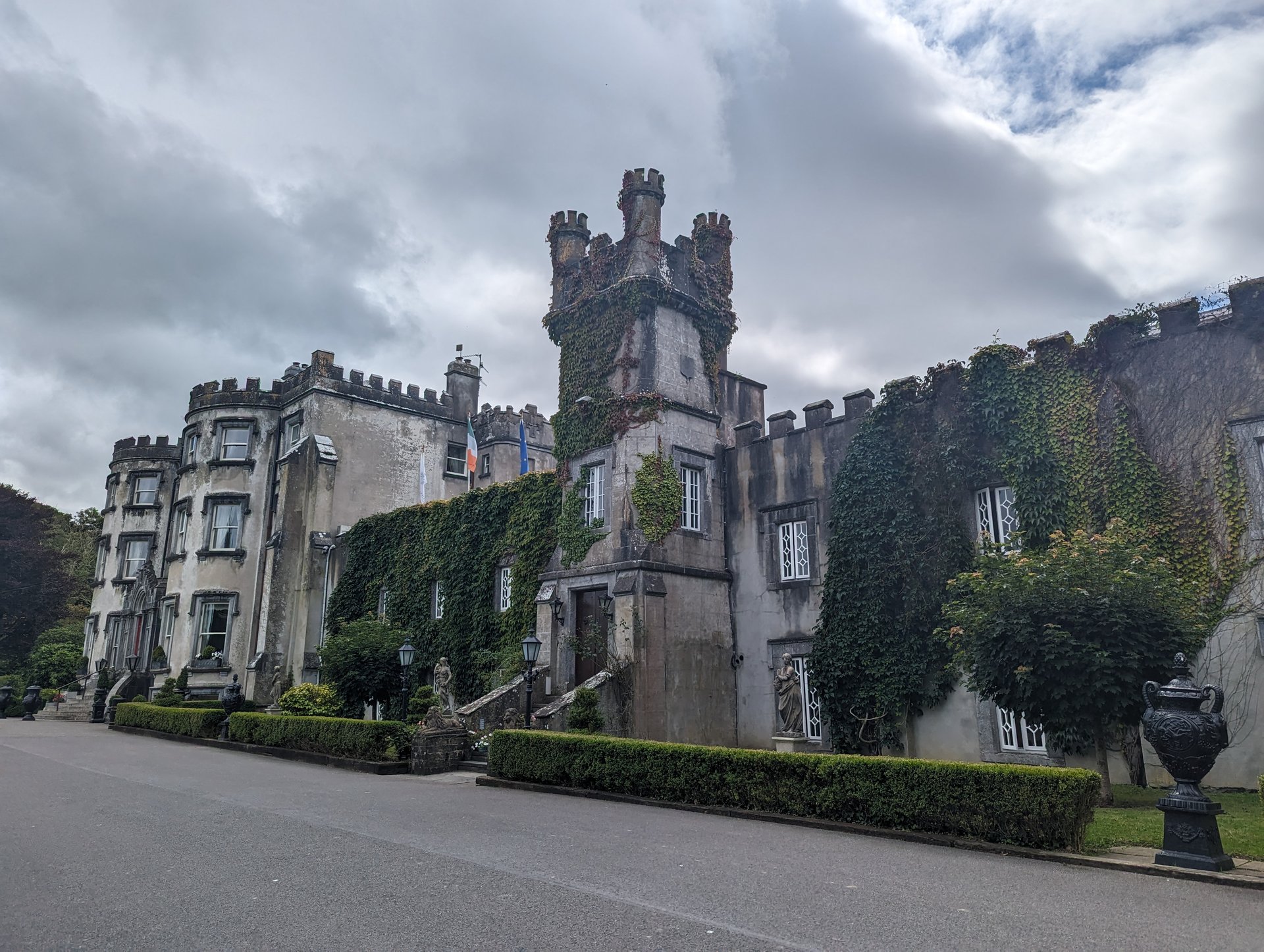
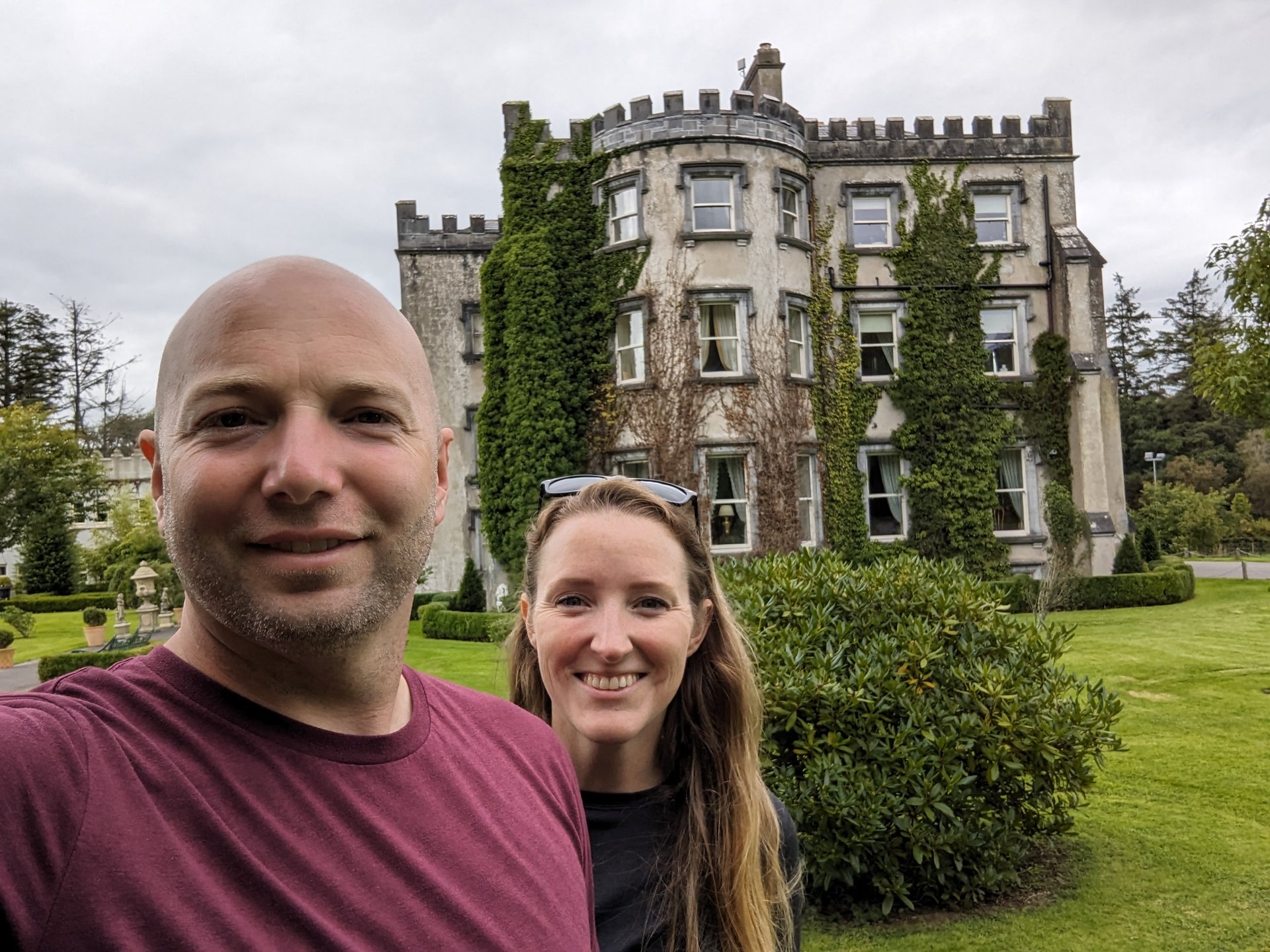
We felt like royalty wandering the grounds, which include gardens, woodlands, and even a path to an old ruin. Dinner in the castle restaurant was equally memorable—locally sourced Irish cuisine served in a candlelit dining room.
Pro tip: Castle stays in Ireland are surprisingly affordable compared to similar experiences elsewhere in Europe. Budget around €150-200 per room for a genuinely castle experience.
Days 7-8: Blarney Castle, Waterford, and the Southeast
We reluctantly left the west coast and headed east toward Cork and beyond. Our first stop: Blarney Castle.
Kissing the Blarney Stone
Yes, we did the tourist thing. Yes, it was worth it.
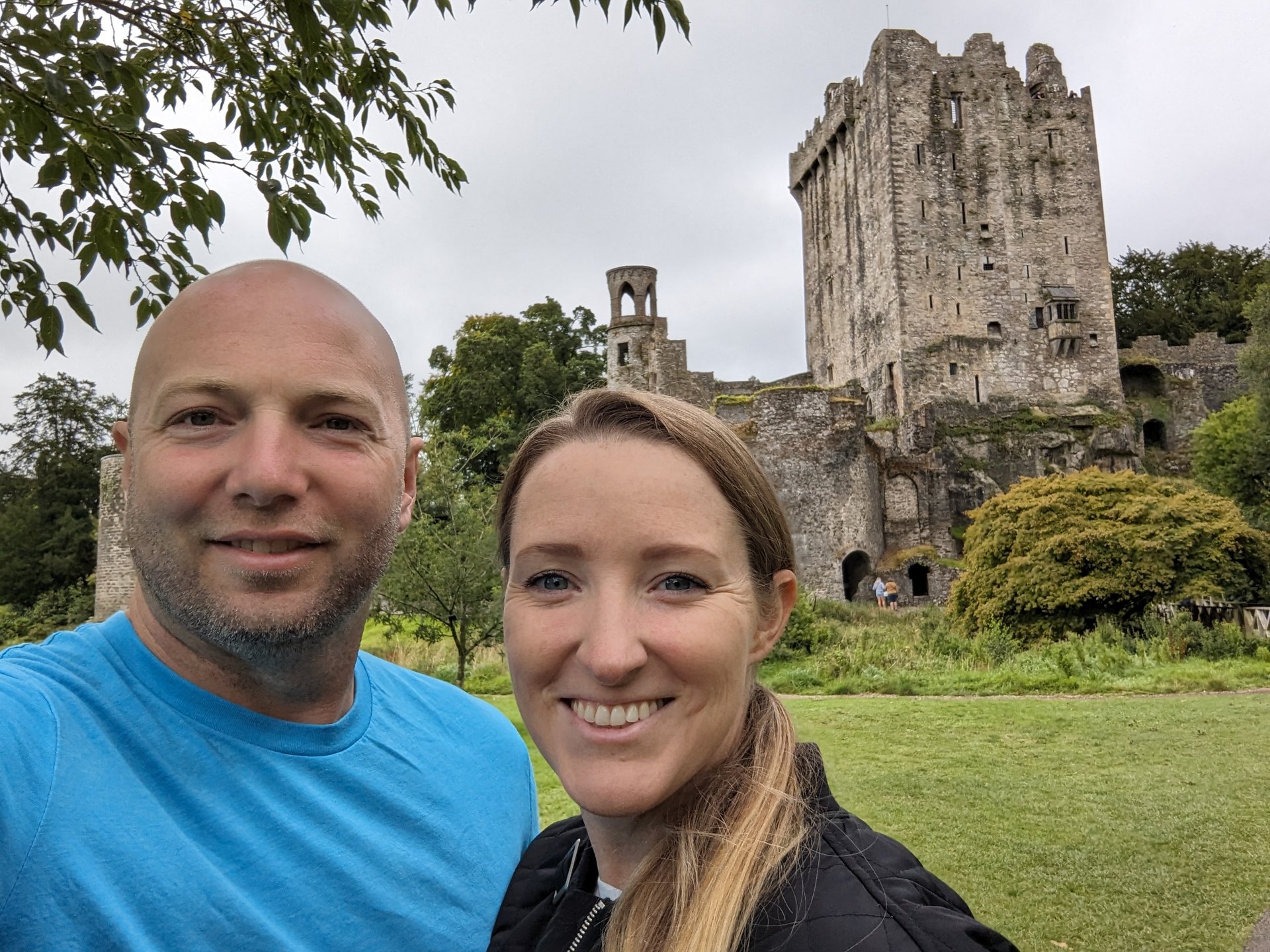
Blarney Castle is more than just the stone. The castle itself is a well-preserved medieval tower house, and the grounds are extensive and beautiful. We spent hours wandering through the poison garden (every plant can kill you!), the fern garden, and the Rock Close with its druid stones.
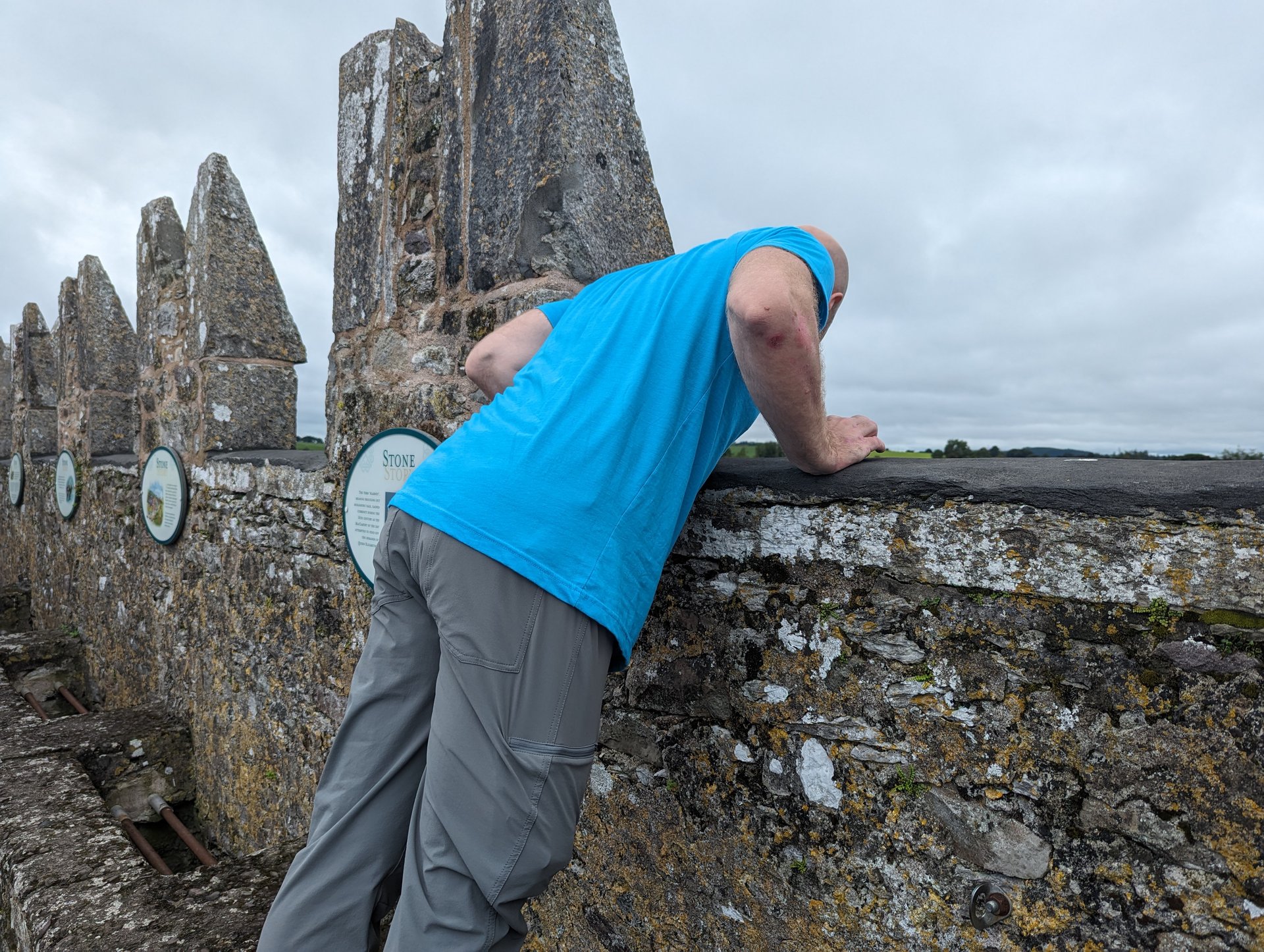
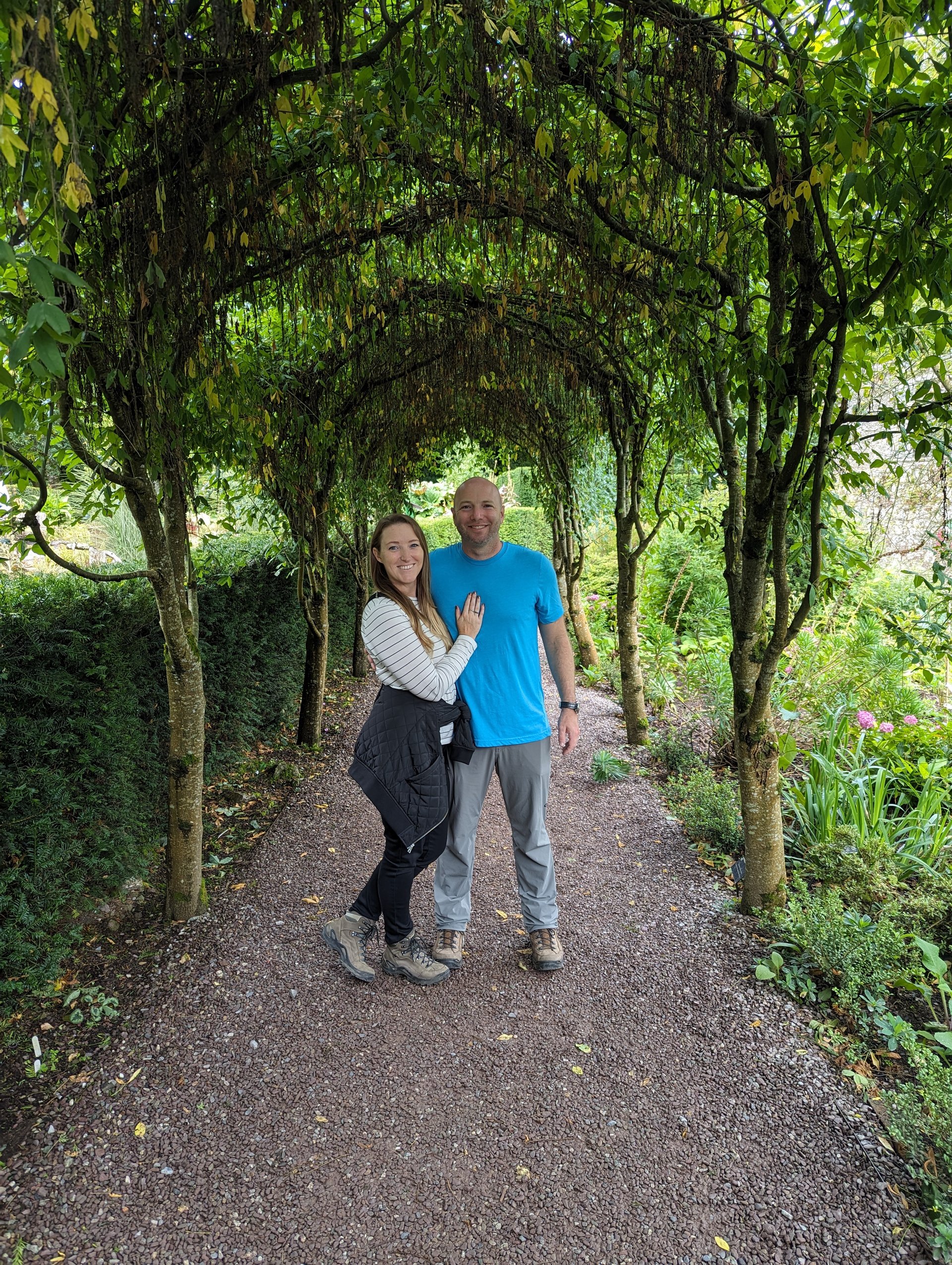
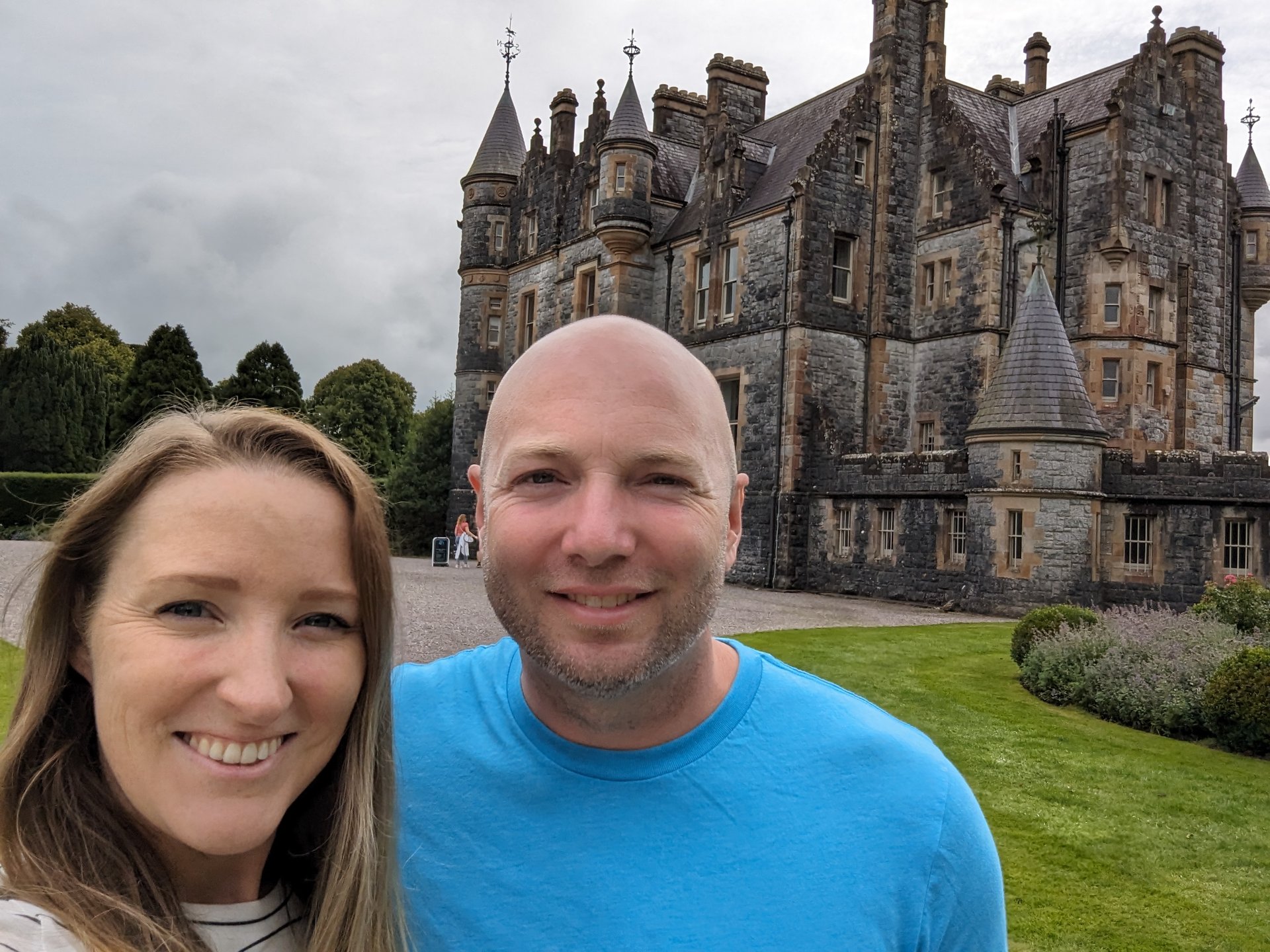
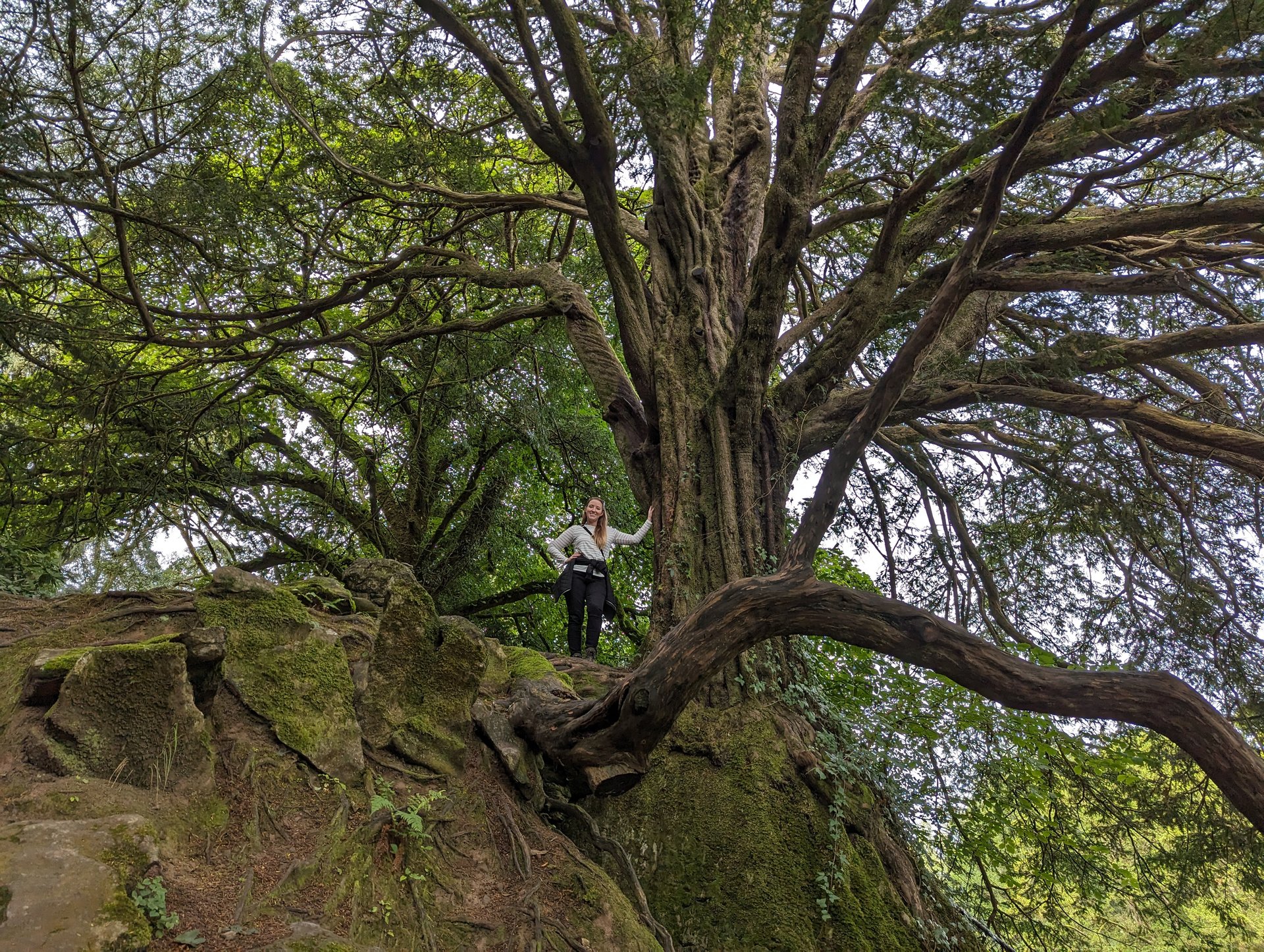
As for kissing the stone itself—you climb to the top of the castle, lie on your back, and lean backwards over a gap to kiss the underside of a stone. It's awkward, slightly terrifying, and supposedly grants you the "gift of gab." Whether our eloquence improved is debatable, but we can officially say we've done it.
Waterford Crystal
From Blarney, we drove to Waterford, home of the famous Waterford Crystal. The factory tour was fascinating, especially watching the master craftsmen at work.
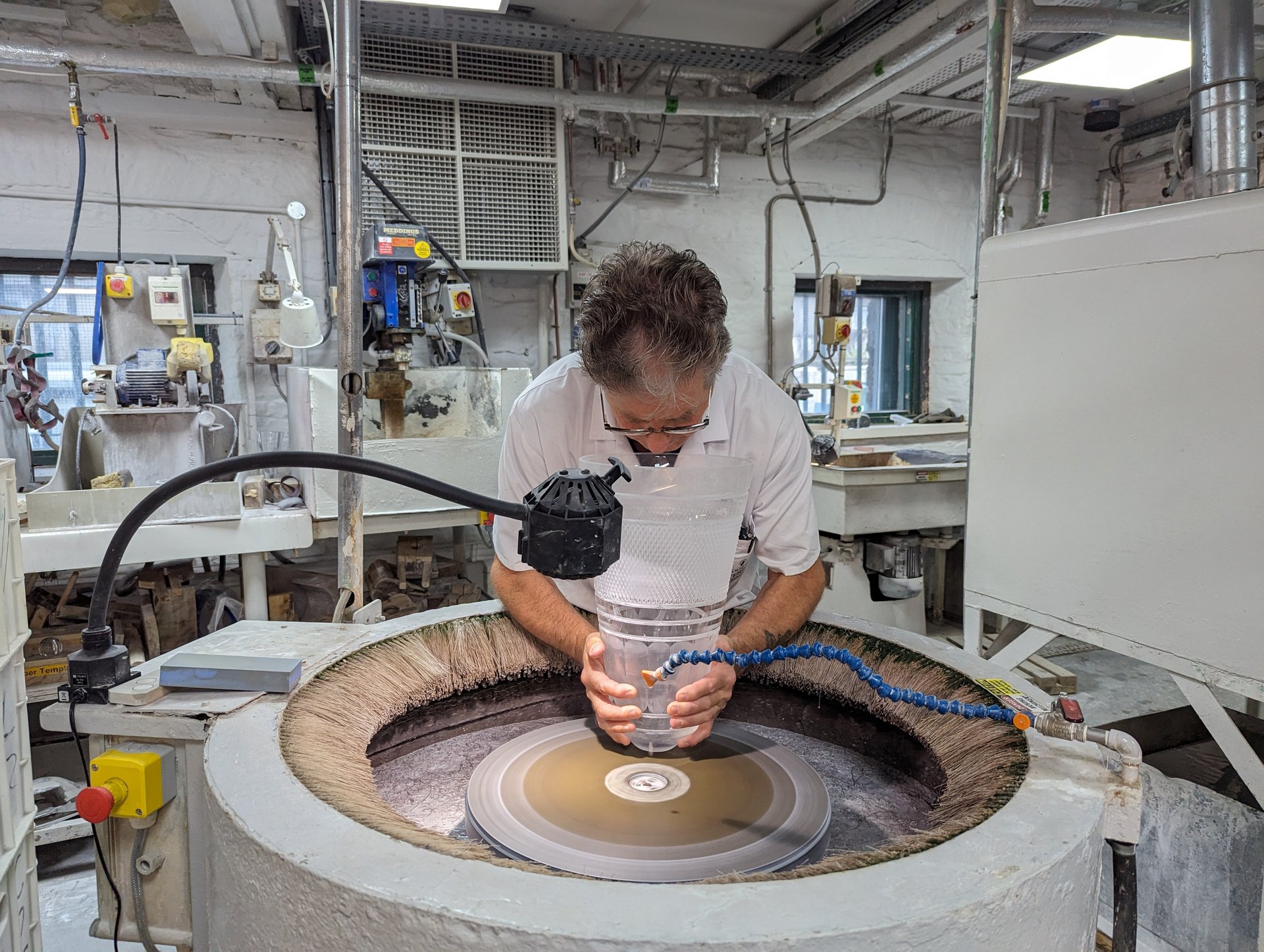
Each piece of Waterford Crystal is still made largely by hand, with craftsmen who have trained for years learning the precise cuts and polishing techniques. We watched them create everything from wine glasses to the Times Square New Year's Eve ball.
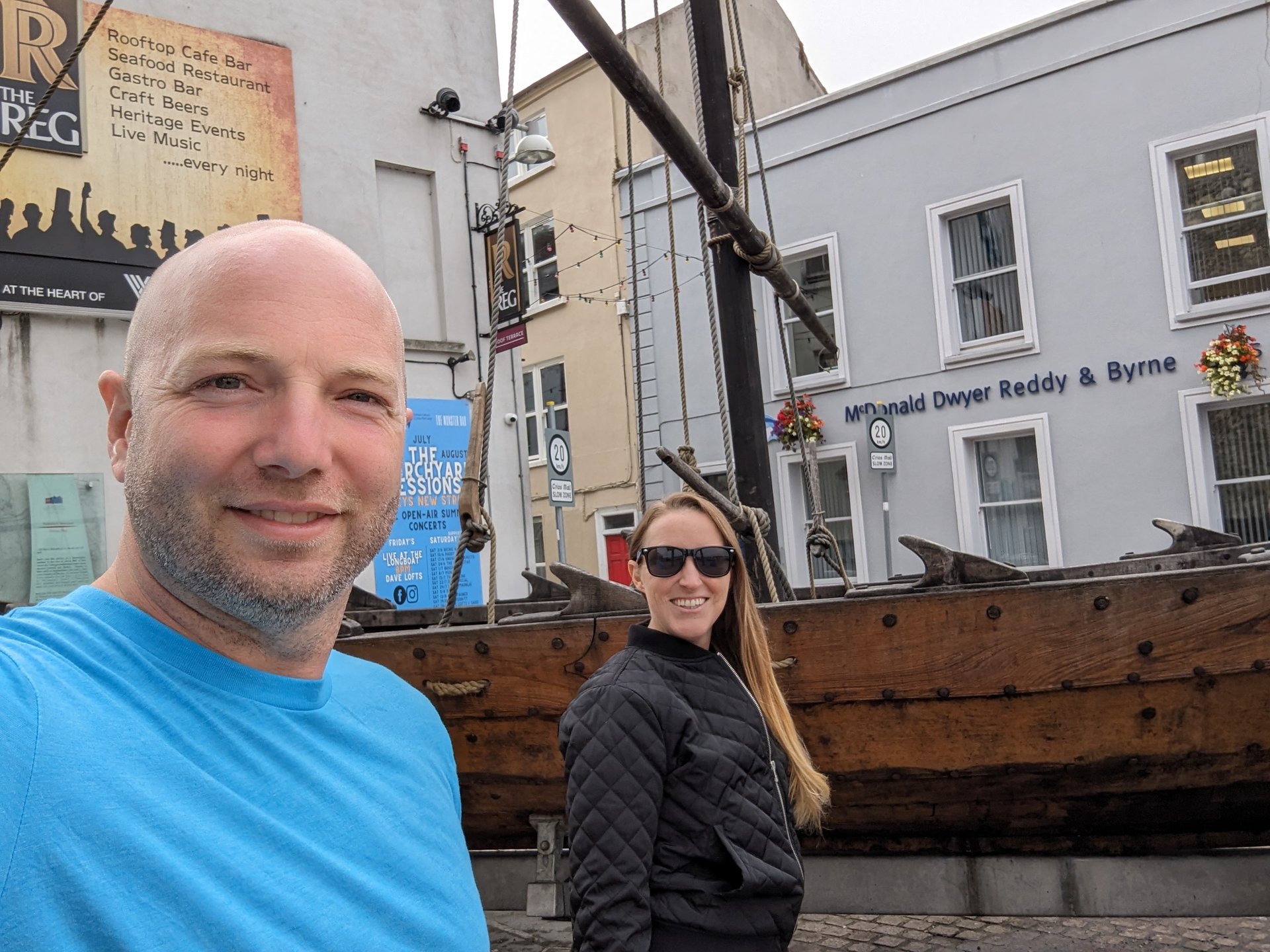
The gift shop at the end was dangerous for our wallets. Let's just say we didn't leave empty-handed.
Days 8-9: Medieval Kilkenny
Kilkenny stole our hearts. This medieval city has managed to preserve its historic character while still feeling vibrant and alive. The narrow streets, the castle looming over the river, the ancient cathedrals—it felt like stepping back in time.
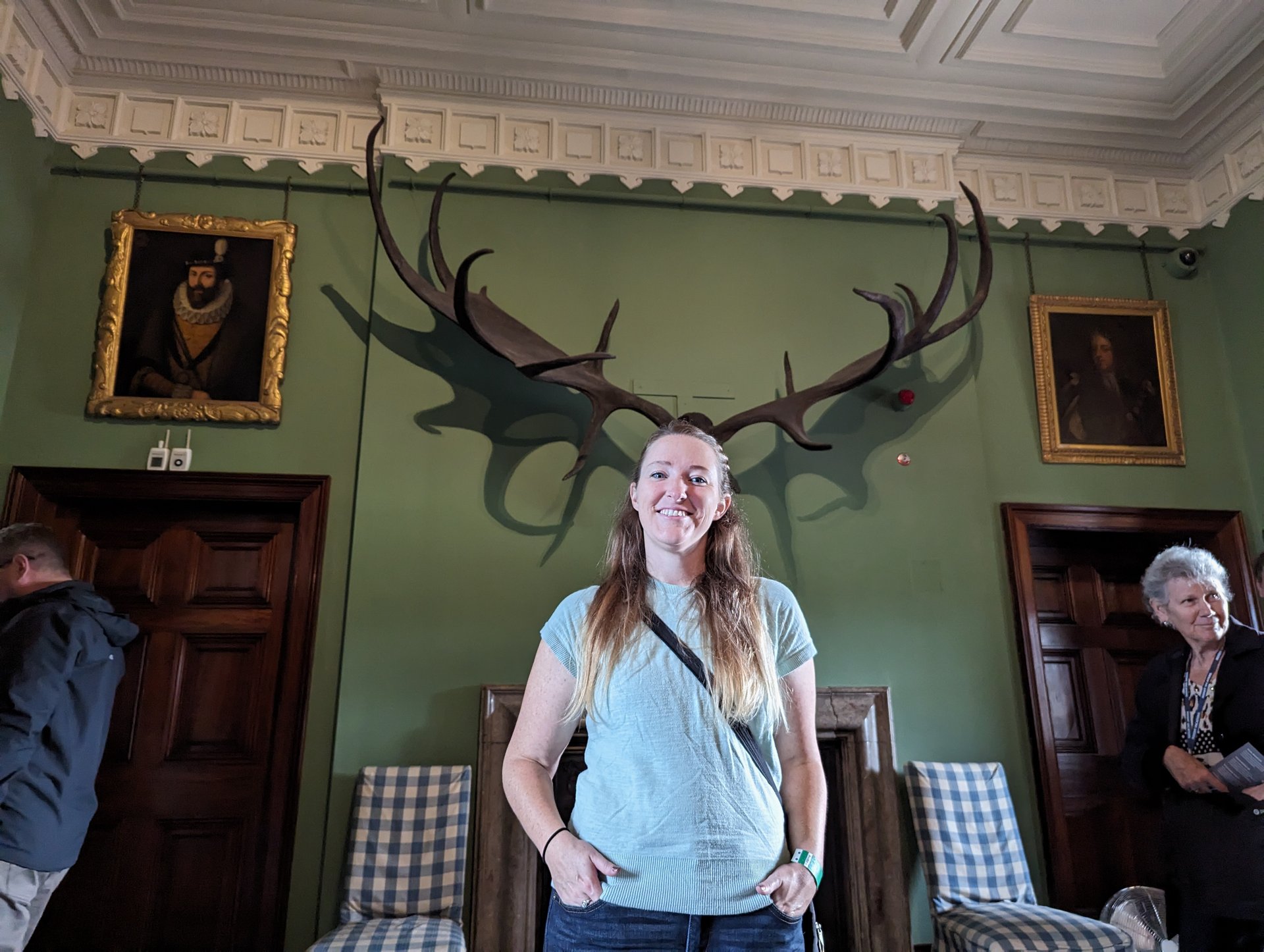
The castle interior was ornate and fascinating, with rooms full of antique furniture, tapestries, and yes, antlers mounted on the walls. The audio tour told stories of the Butler family who owned the castle for centuries.
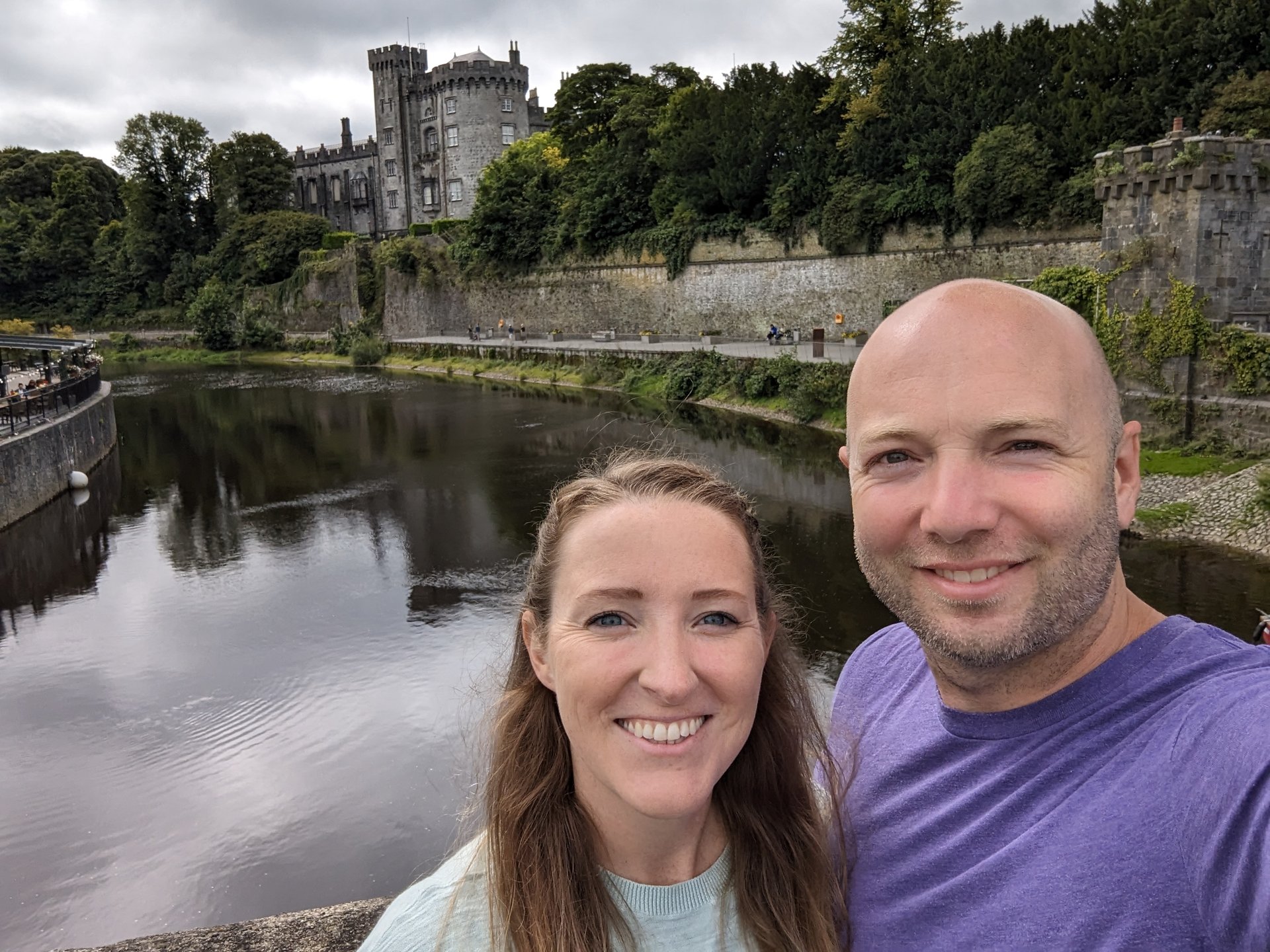
We spent the afternoon wandering Kilkenny's medieval mile, popping into craft shops and pubs. The city is known for its craft beer scene, and we happily sampled our way through several local breweries.
Day 10: Glendalough and the Wicklow Mountains
For our last full day of adventure, we drove into the Wicklow Mountains, just south of Dublin. Our destination: Glendalough, the "valley of two lakes," home to an ancient monastic settlement and spectacular hiking trails.
The monastery ruins date back to the 6th century, founded by St. Kevin, who allegedly lived as a hermit in a cave above the lake. The round tower still stands, remarkably intact after 1,000+ years.
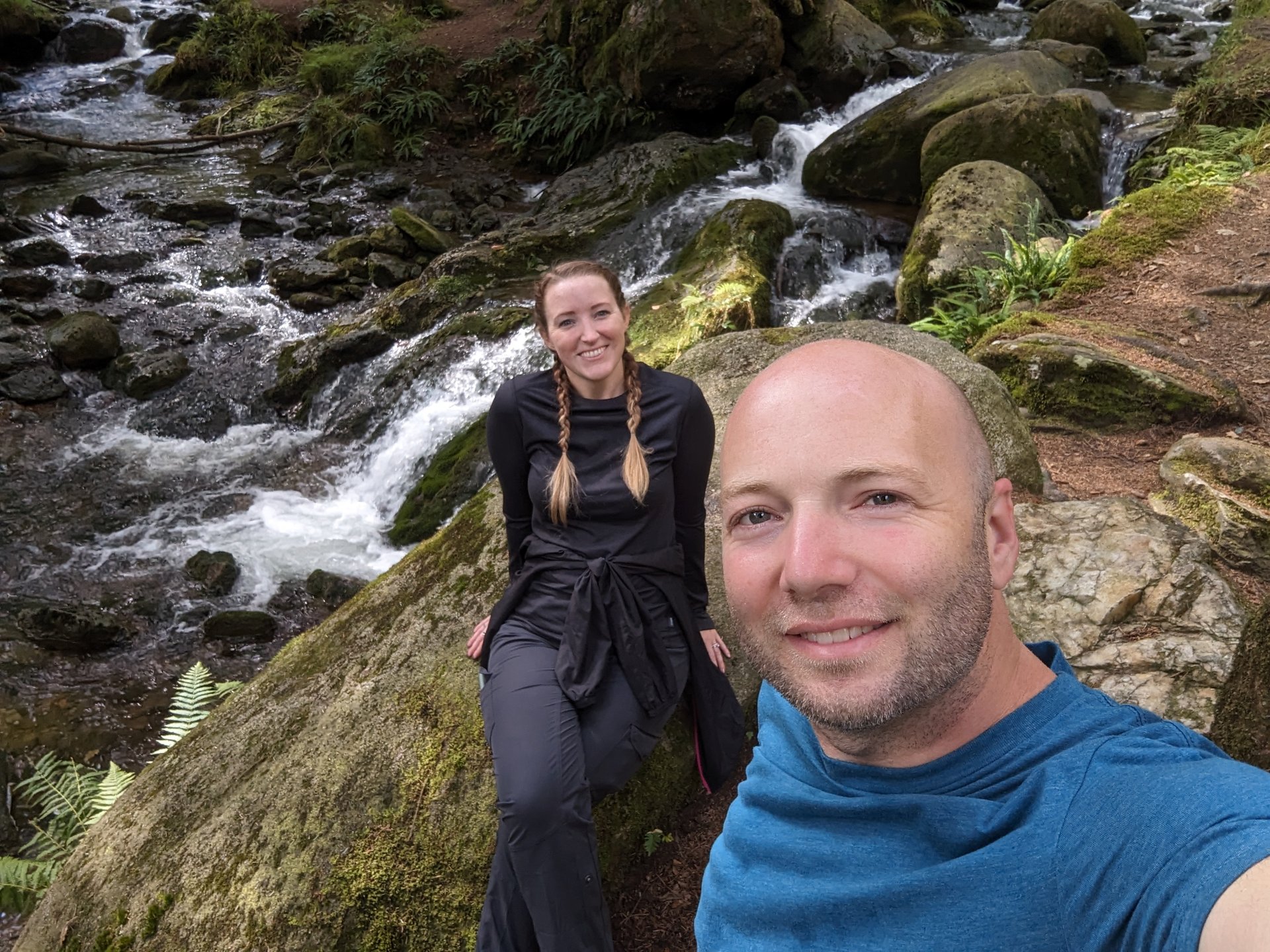
We hiked the trail to the Poulanass Waterfall, a beautiful cascade hidden in the forest. The path wound through ancient oak woods, over boardwalks crossing boggy ground, and up stone steps to the falls.
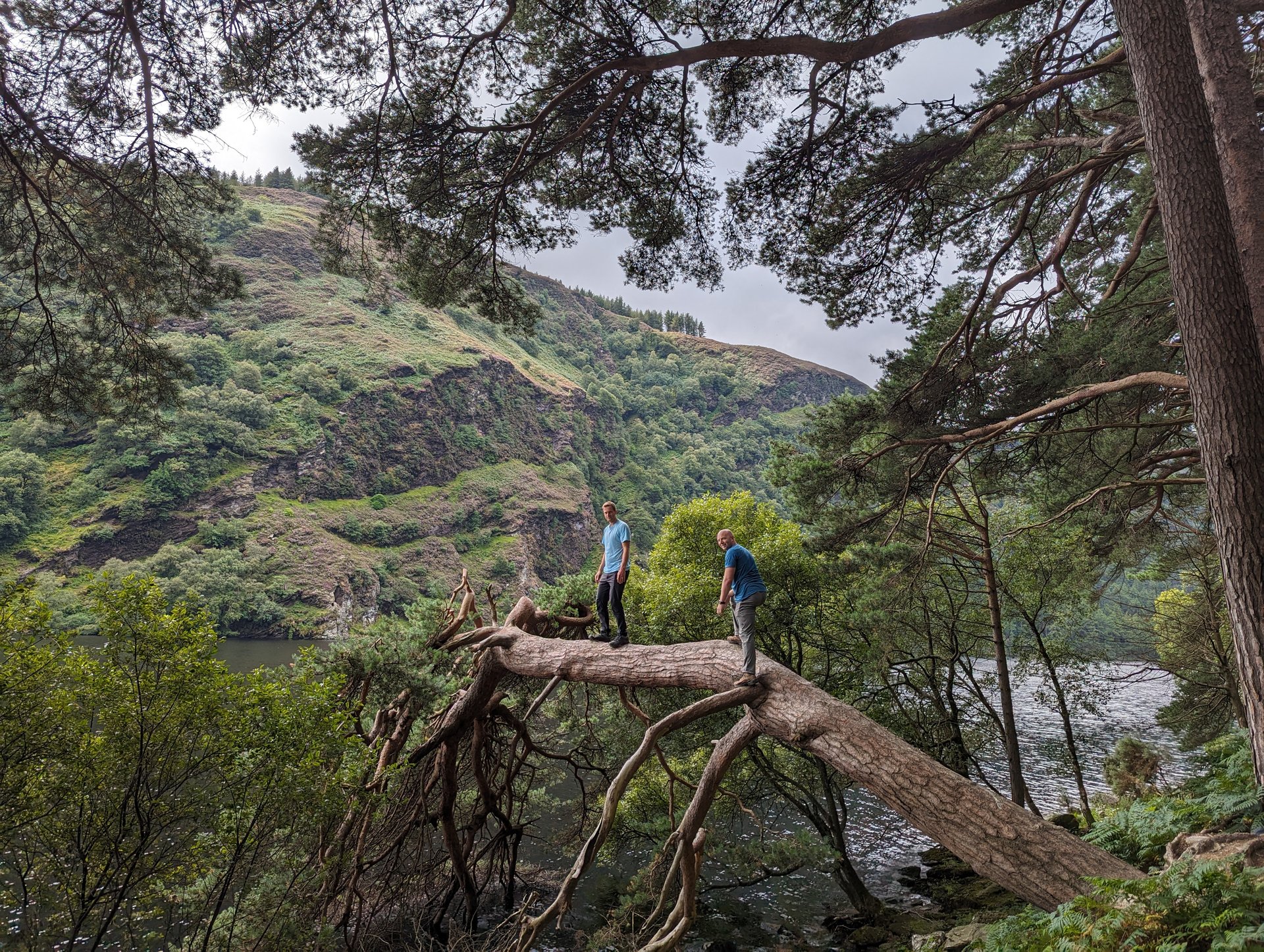
The air was cool and fresh, scented with pine and moss. We could have spent days exploring all the trails here, but we had a dinner reservation to keep.
Day 11: Dublin and Chapter One
We spent our last night in Dublin, saving the best culinary experience for last: dinner at Chapter One, a Michelin-starred restaurant in the basement of the Dublin Writers Museum.
This was our splurge meal, and it did not disappoint. The tasting menu featured modern Irish cuisine using the finest local ingredients—think aged Irish beef, wild Atlantic seafood, and vegetables from their own garden.
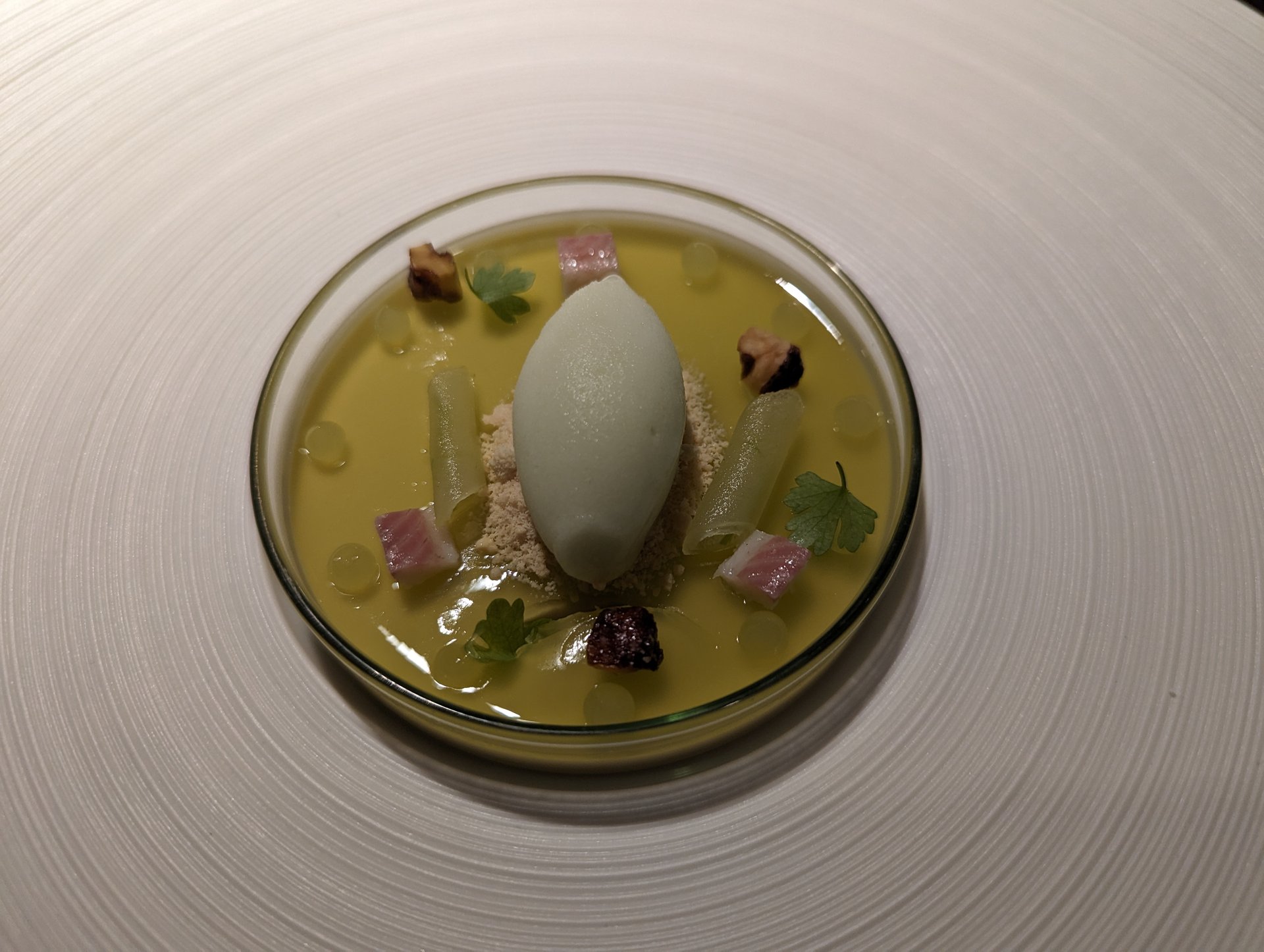
Each dish was a work of art, both visually and in flavor. The service was impeccable but never stuffy. We lingered for three hours, savoring every bite and reflecting on the incredible journey we'd just completed.
Day 12: Phoenix Park and Departure
Our flight wasn't until the afternoon, so we had time for one final Dublin experience: Phoenix Park. This enormous urban park is one of the largest enclosed parks in any European capital, and it's home to a wild herd of fallow deer.
We walked through the park, spotted deer grazing in the distance, and stumbled upon a field of sunflowers in full bloom.
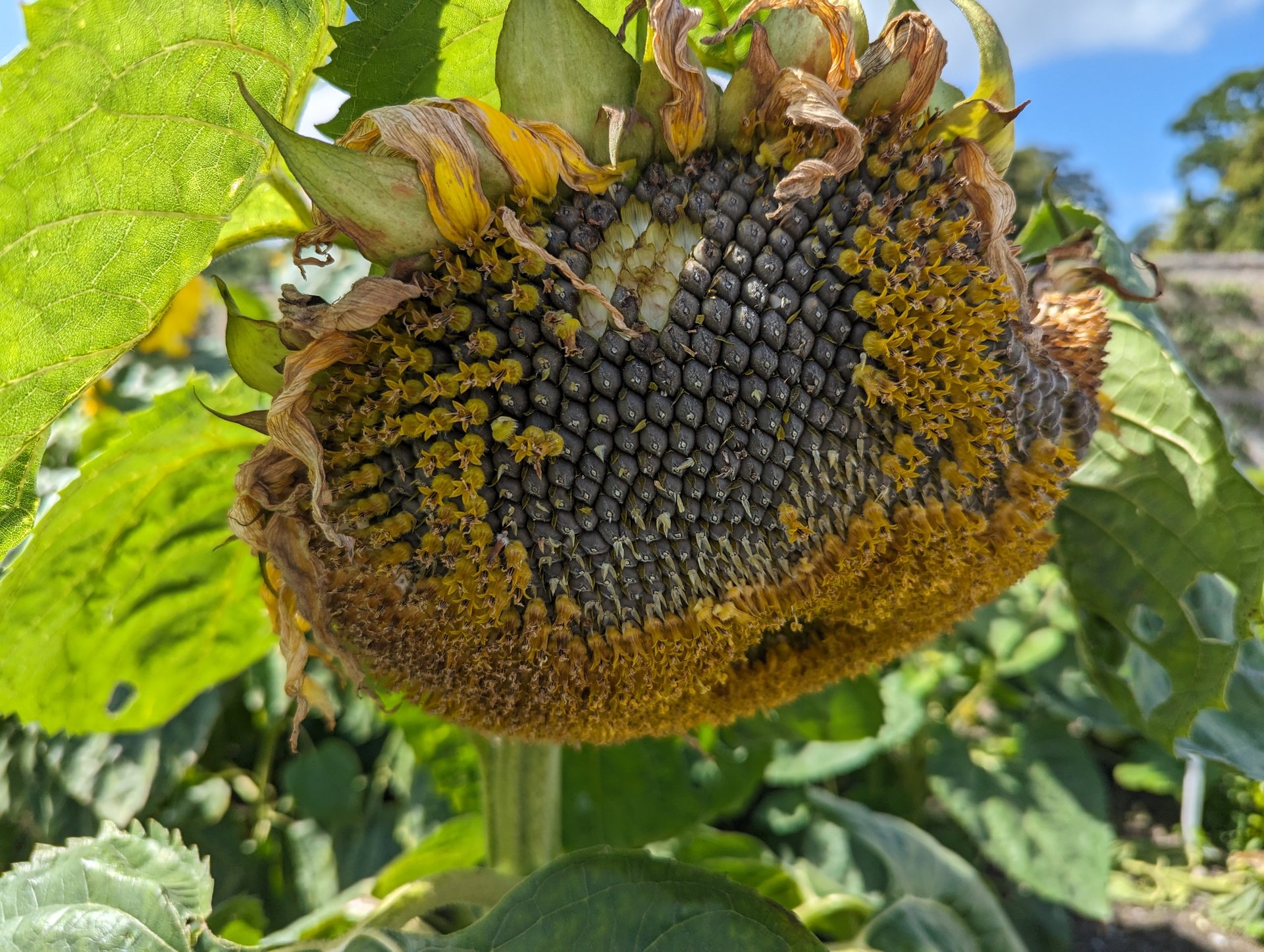
The seeds were already ripening, the petals just starting to droop—a perfect metaphor for our trip. Full to bursting with experiences, ready to return home, but already dreaming of the next adventure.
Practical Information
Getting There:
- Direct flights to Dublin from most major US cities
- Shannon Airport is closer to the west coast if that's your focus
- We flew into Dublin, drove west, and looped back
Getting Around:
- Rental car essential for this itinerary
- Remember: they drive on the LEFT
- Roads are narrow—expect to pull over for oncoming traffic on rural roads
- Automatic transmission cars cost more but are worth it if you're not used to left-hand driving
Accommodation:
- We mixed B&Bs, hotels, and one castle stay
- B&Bs are the quintessential Irish experience—breakfast is always incredible
- Book castle stays well in advance, especially in summer
Weather:
- We went in August—mild temperatures (60-70°F) but plenty of rain
- Pack layers and waterproof gear
- The upside: summer has incredibly long days (light until 10pm)
Budget:
- Ireland isn't cheap, but it's reasonable compared to other Western European countries
- Expect €100-150/night for mid-range accommodation
- Pub food runs €15-20/person; nice restaurants €50-80
- Pints of Guinness: €5-7 depending on the pub
Must-Do Experiences:
- Bike the Aran Islands and peer over the cliffs at Dún Aonghasa
- Hike beyond the platforms at the Cliffs of Moher
- Drive the Slea Head Loop on the Dingle Peninsula
- Stay in a castle (at least one night!)
- Have a pint and listen to live trad music in a Galway pub
- Visit Glendalough in the Wicklow Mountains
Final Thoughts
Ten days in Ireland with friends gave us everything we hoped for and more. We pushed our limits biking and hiking, indulged in castles and fine dining, and spent countless hours in cozy pubs sharing stories and laughter.
The landscapes were dramatic, the history was fascinating, and the people were genuinely warm. But what made this trip truly special was experiencing it all together—cheering each other on during tough bike climbs, sharing the terror of peering over cliff edges, debating which pub had the best Guinness.
Ireland has a way of getting under your skin. The haunting beauty of the Aran Islands, the wild majesty of the Cliffs of Moher, the cozy warmth of a turf fire in a country pub—these memories stay with you long after you've returned home.
We went as friends. We came back as friends with a shared adventure we'll talk about for the rest of our lives.
Sláinte!